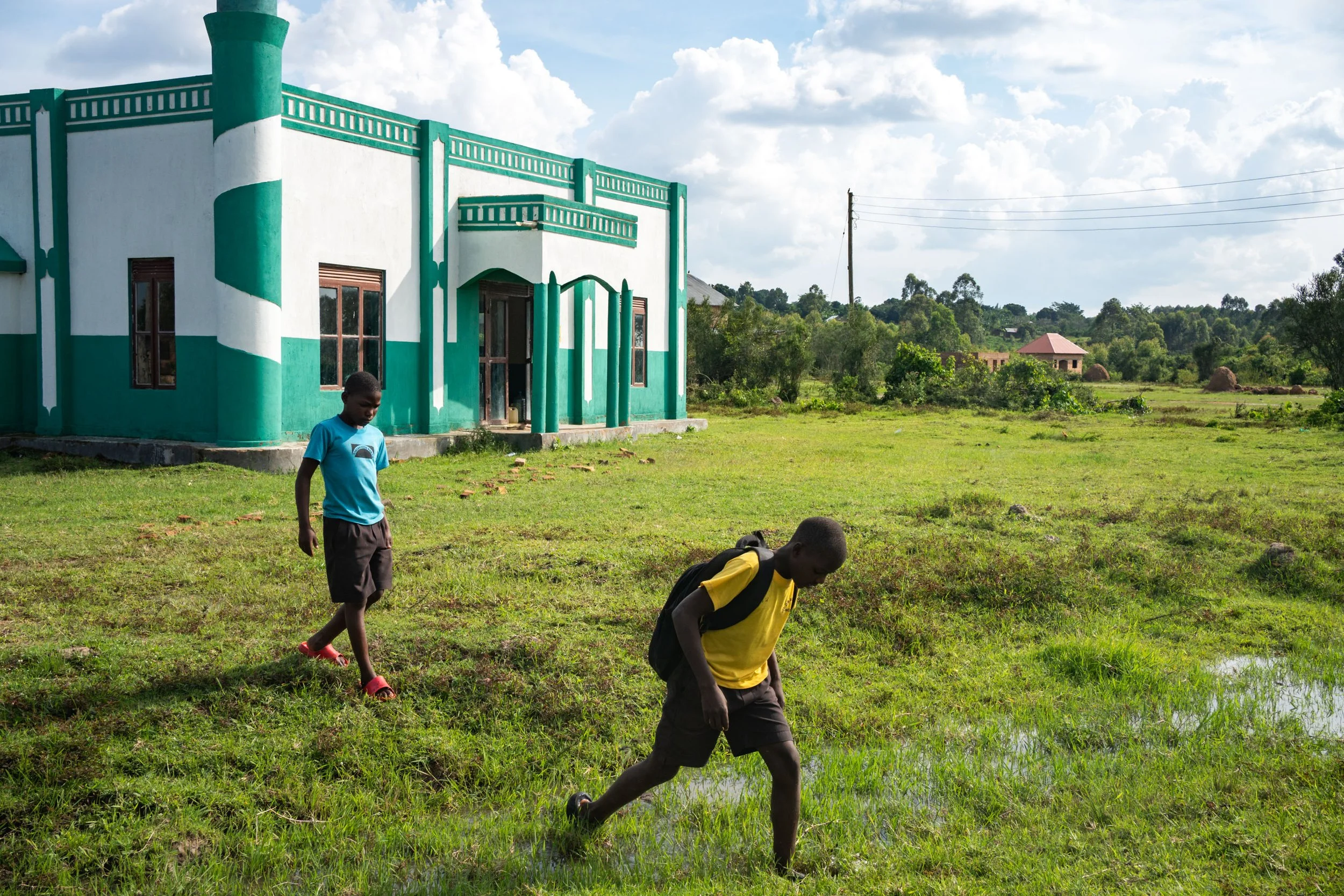
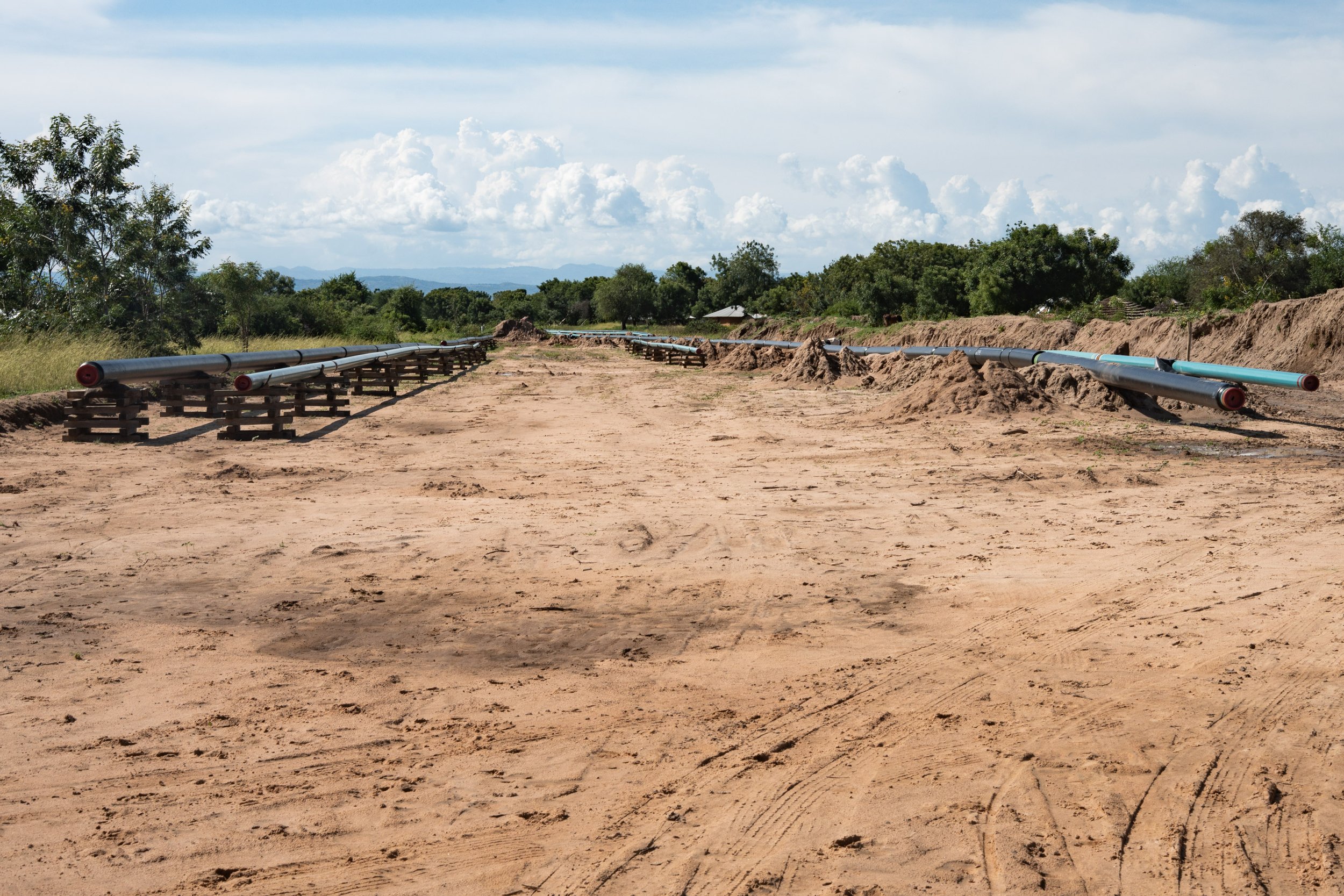
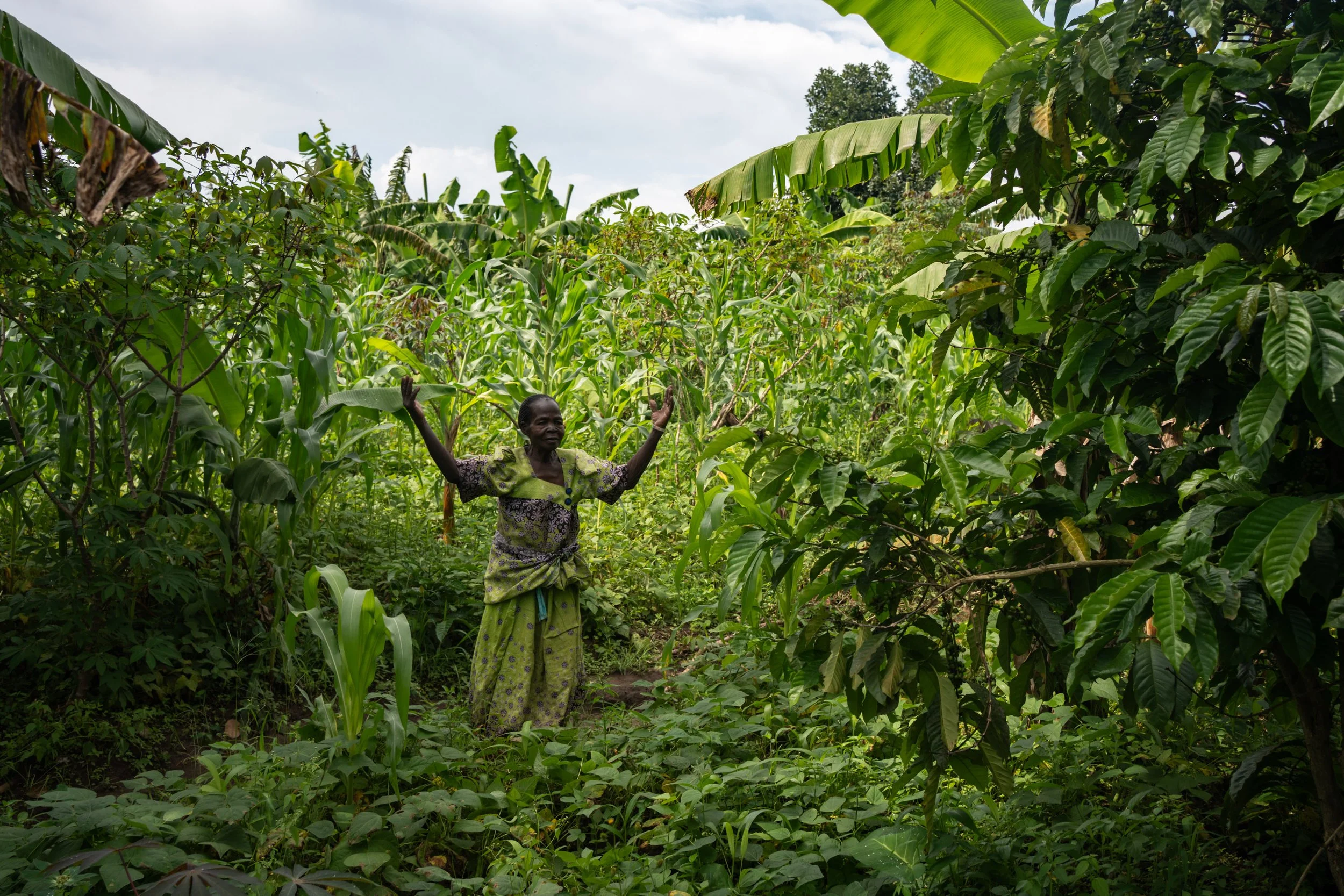
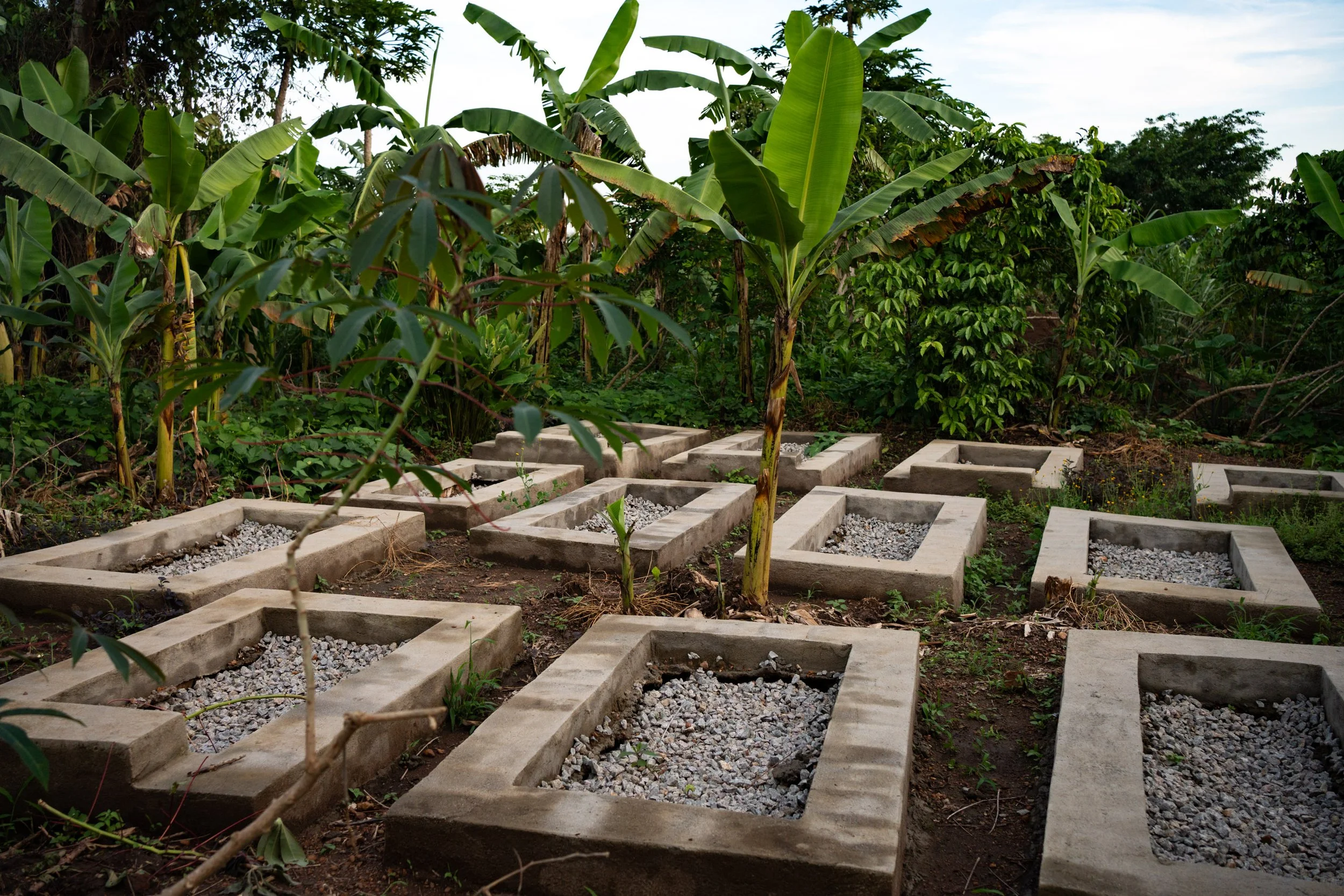
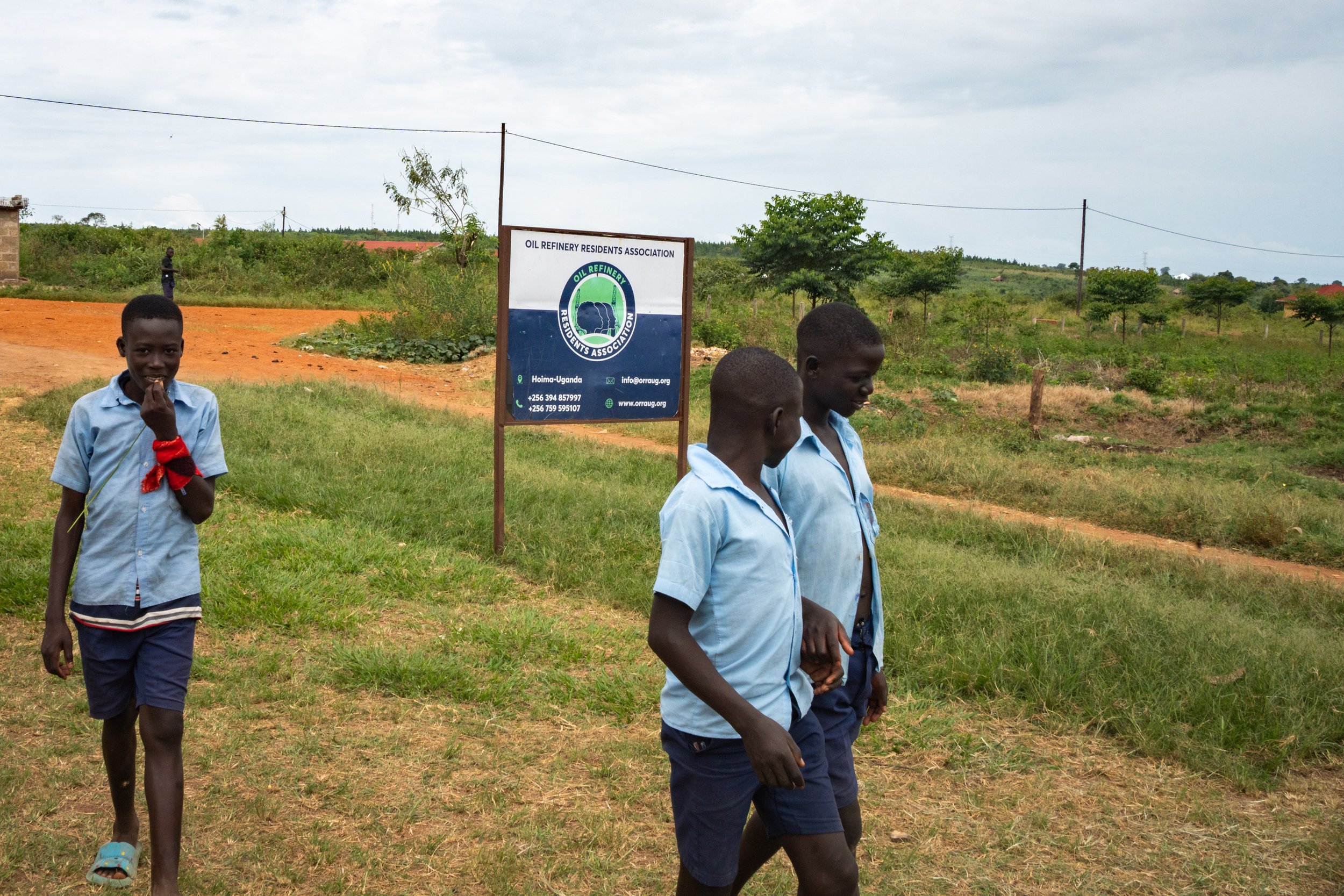
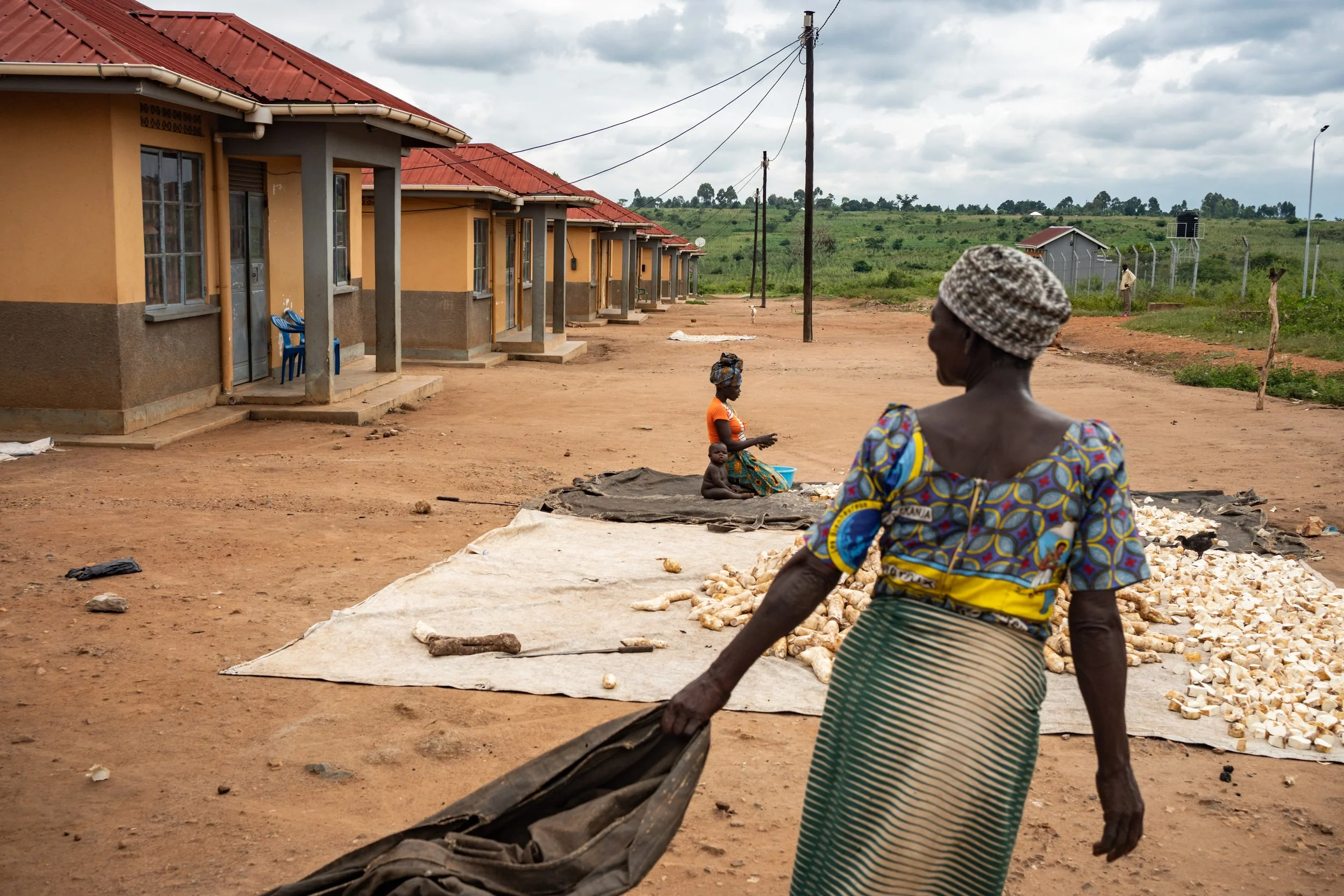
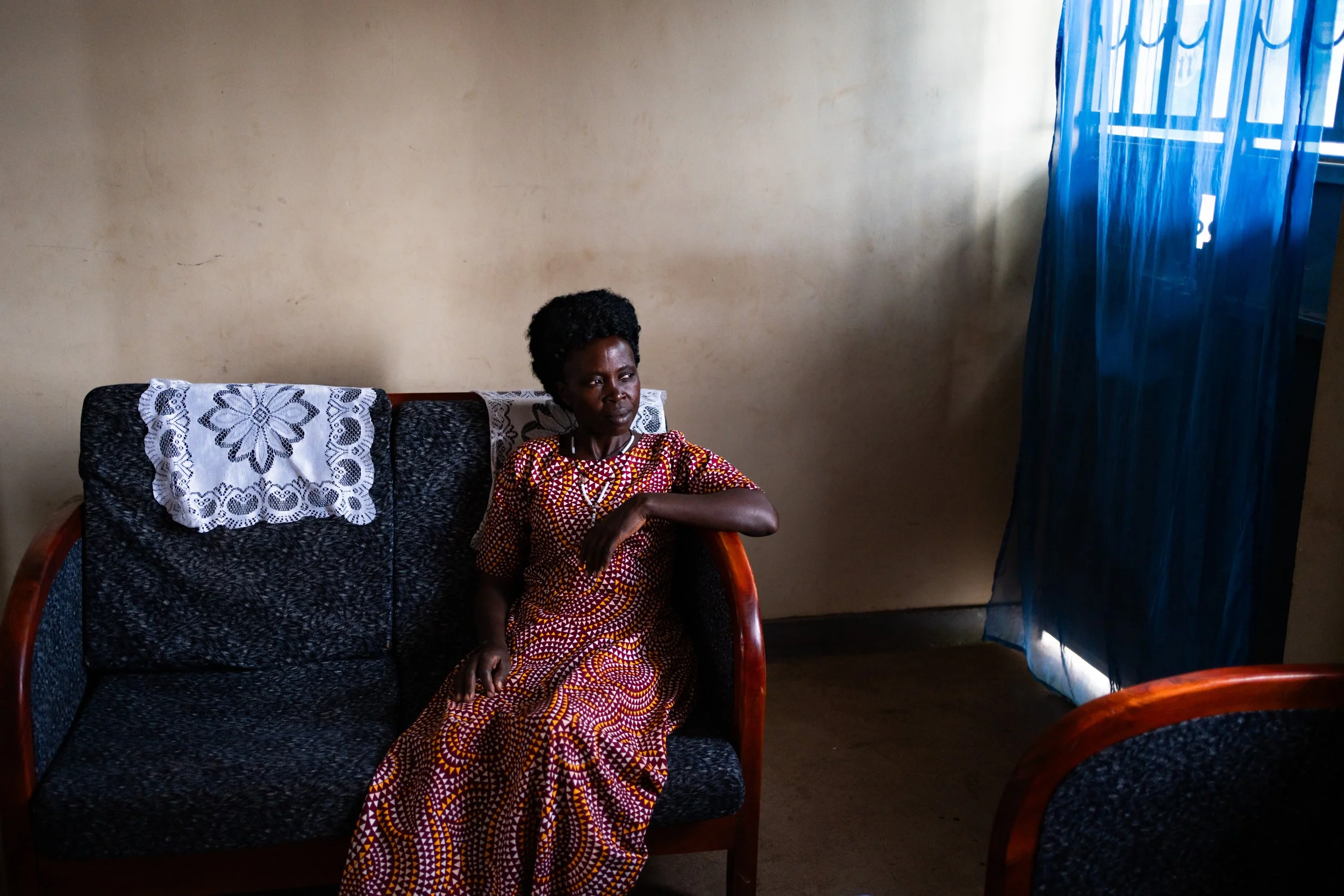
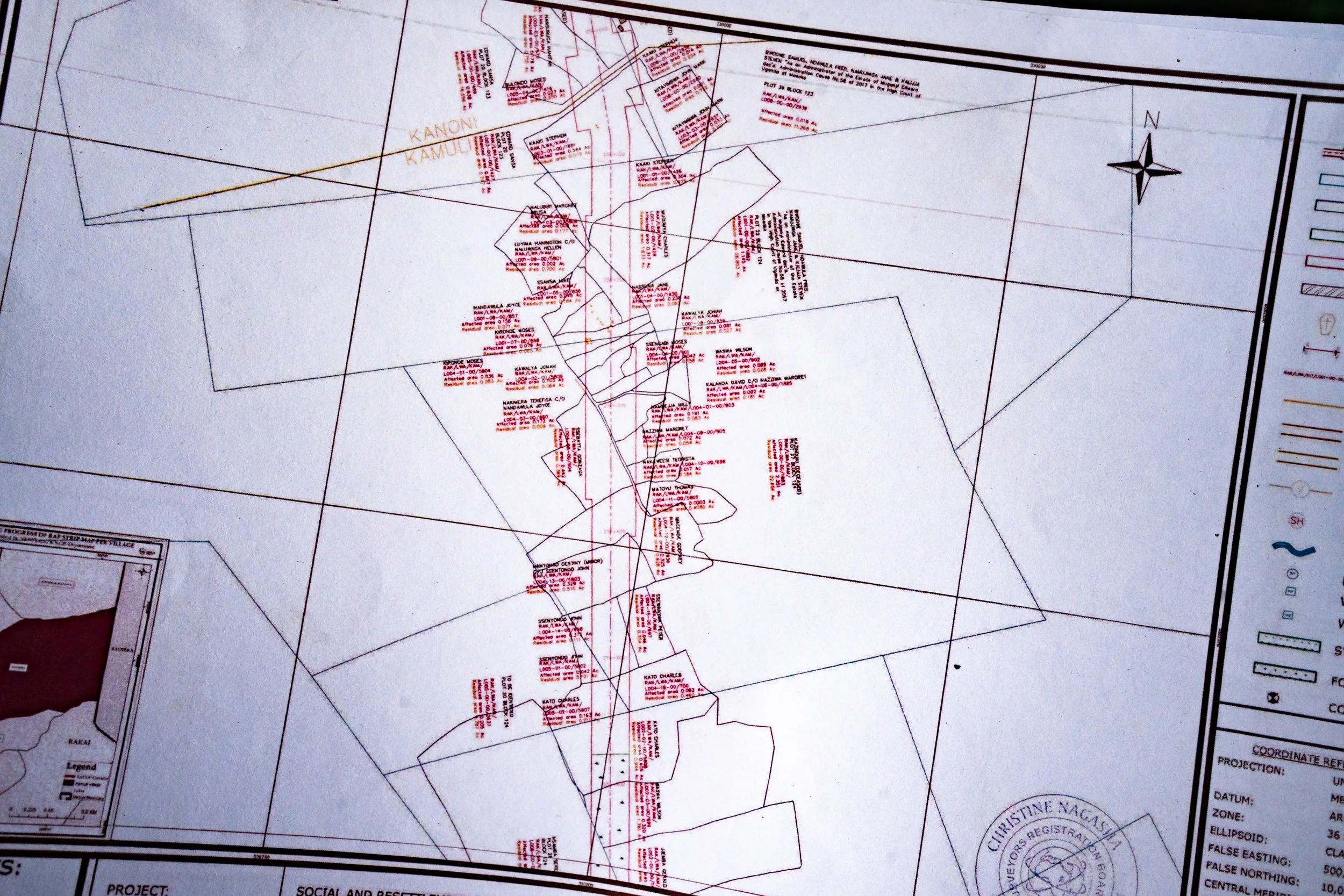
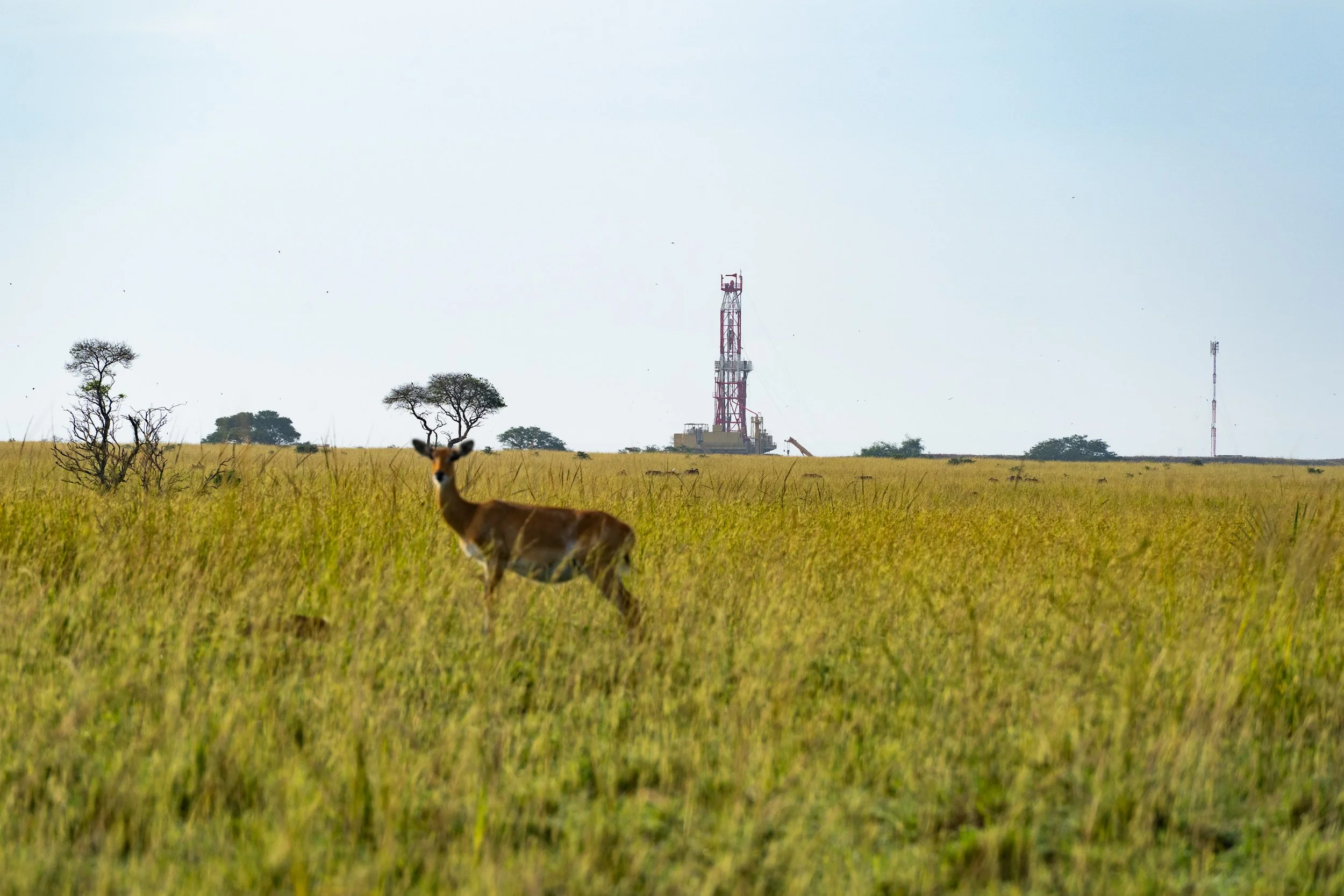
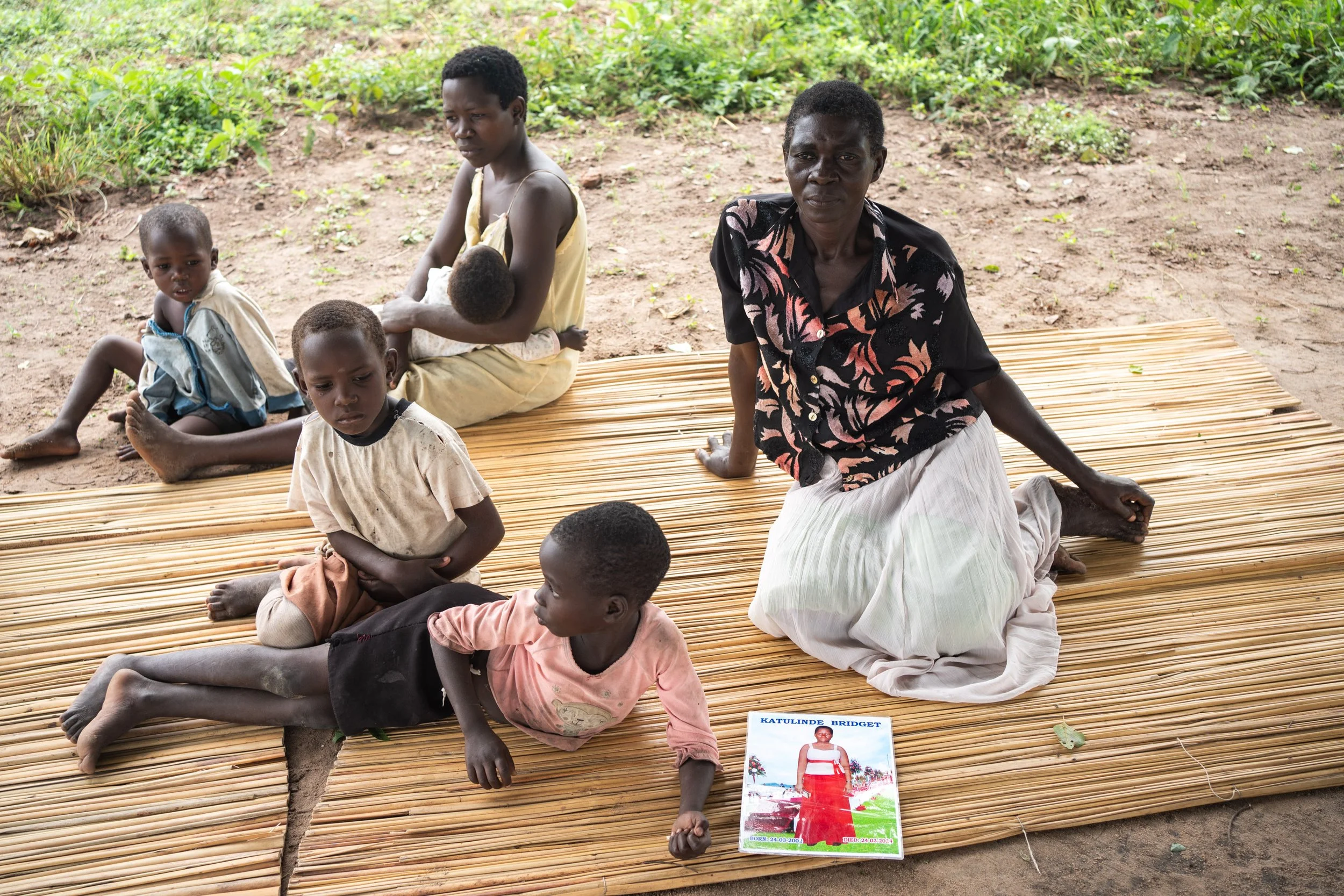
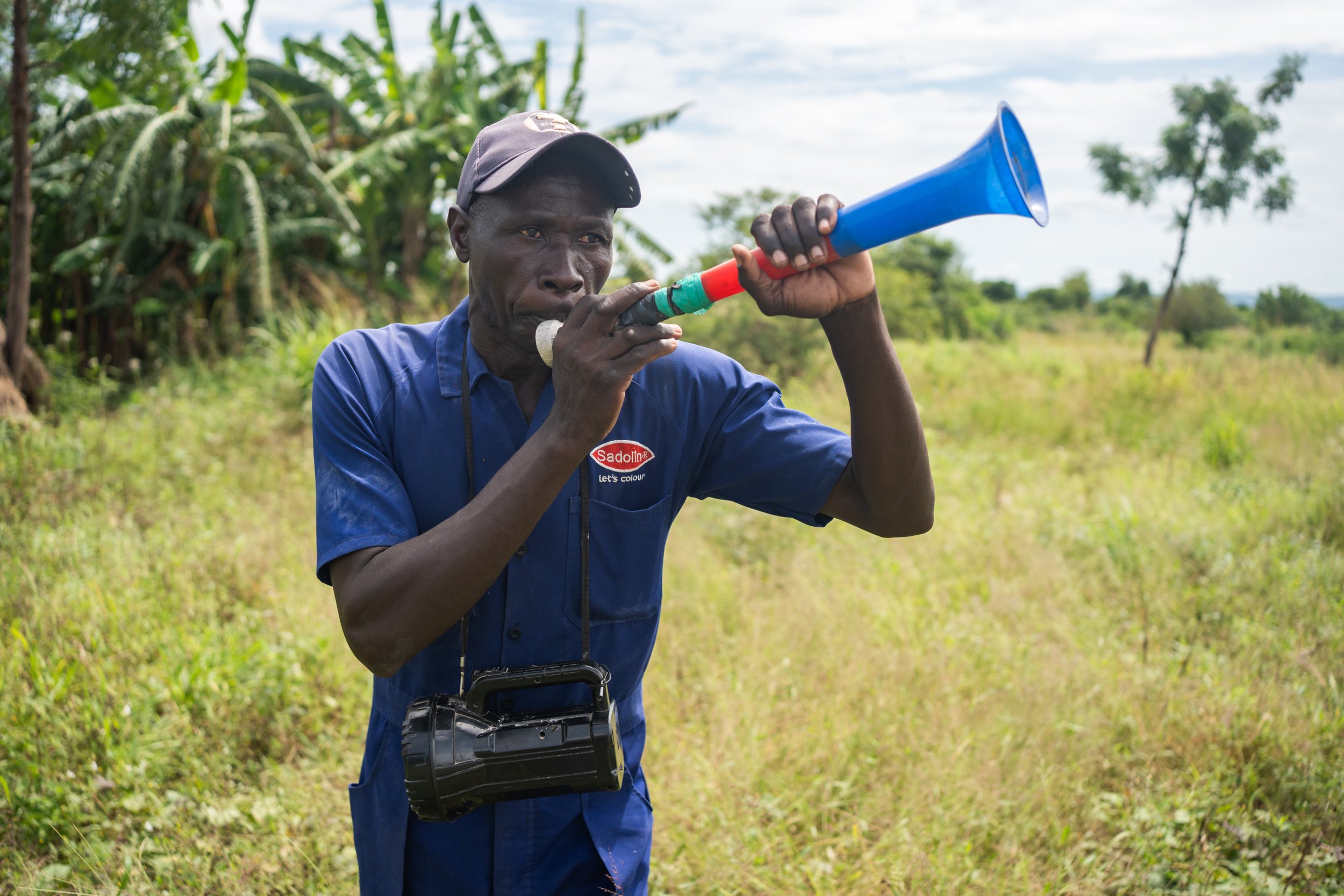
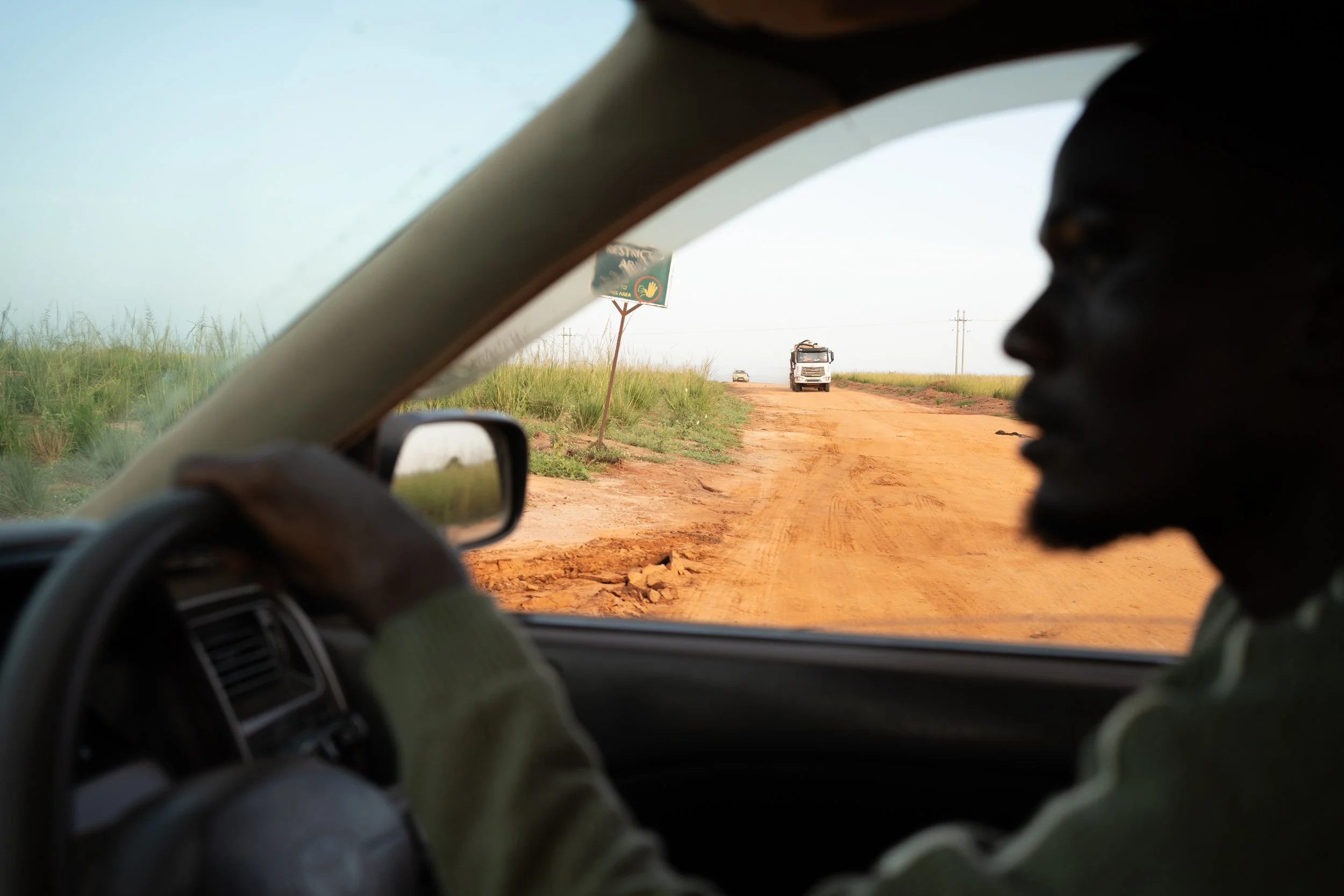
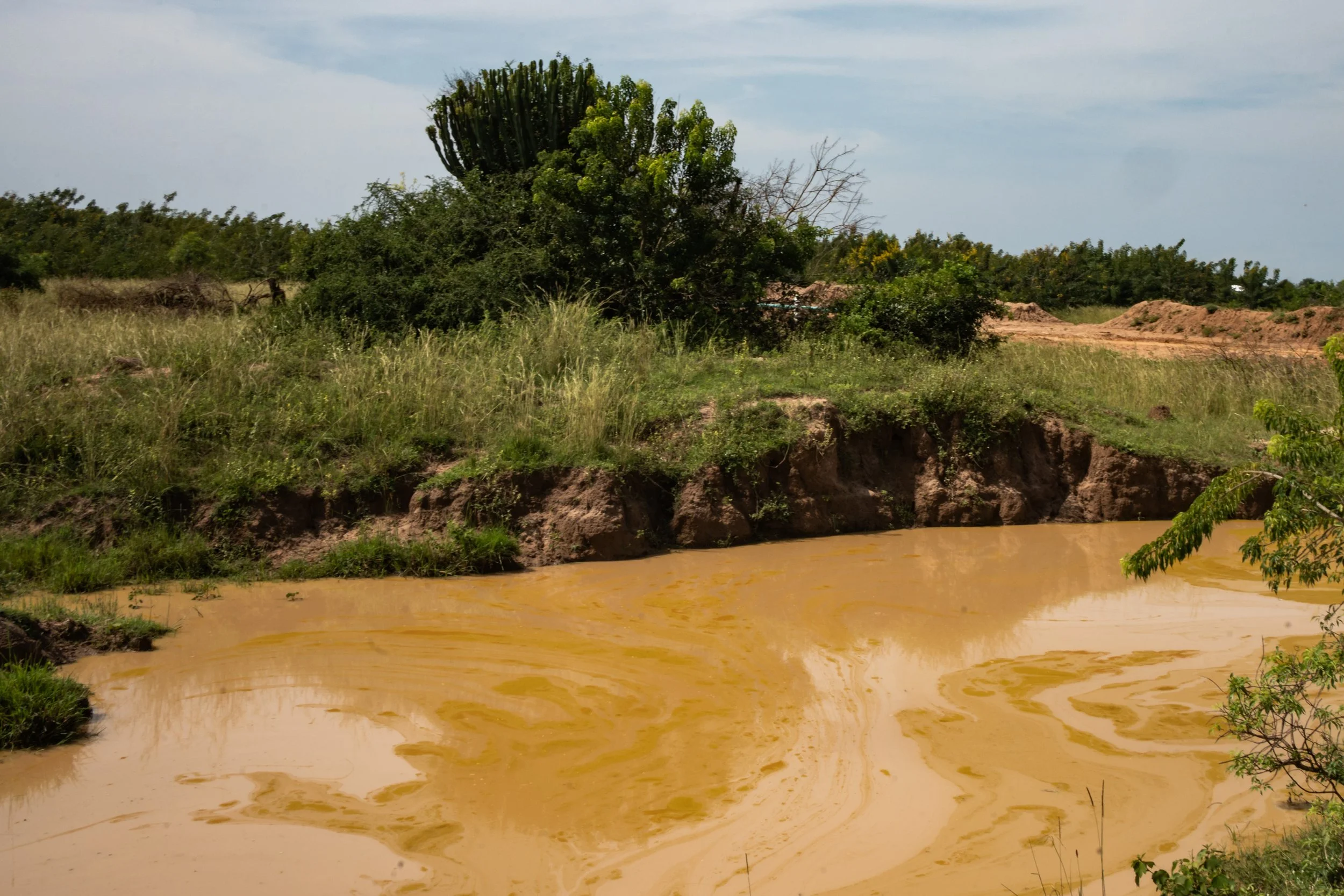
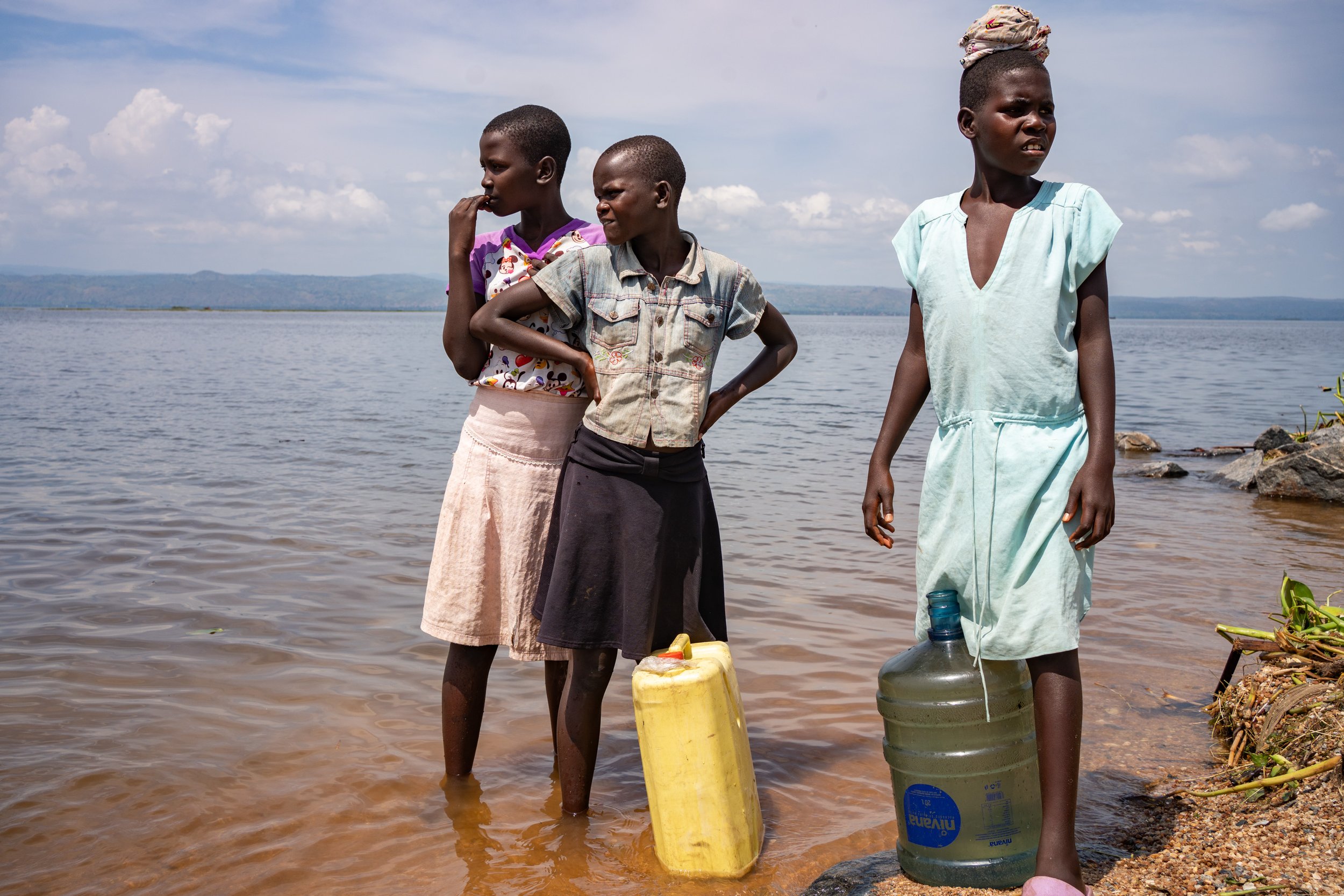
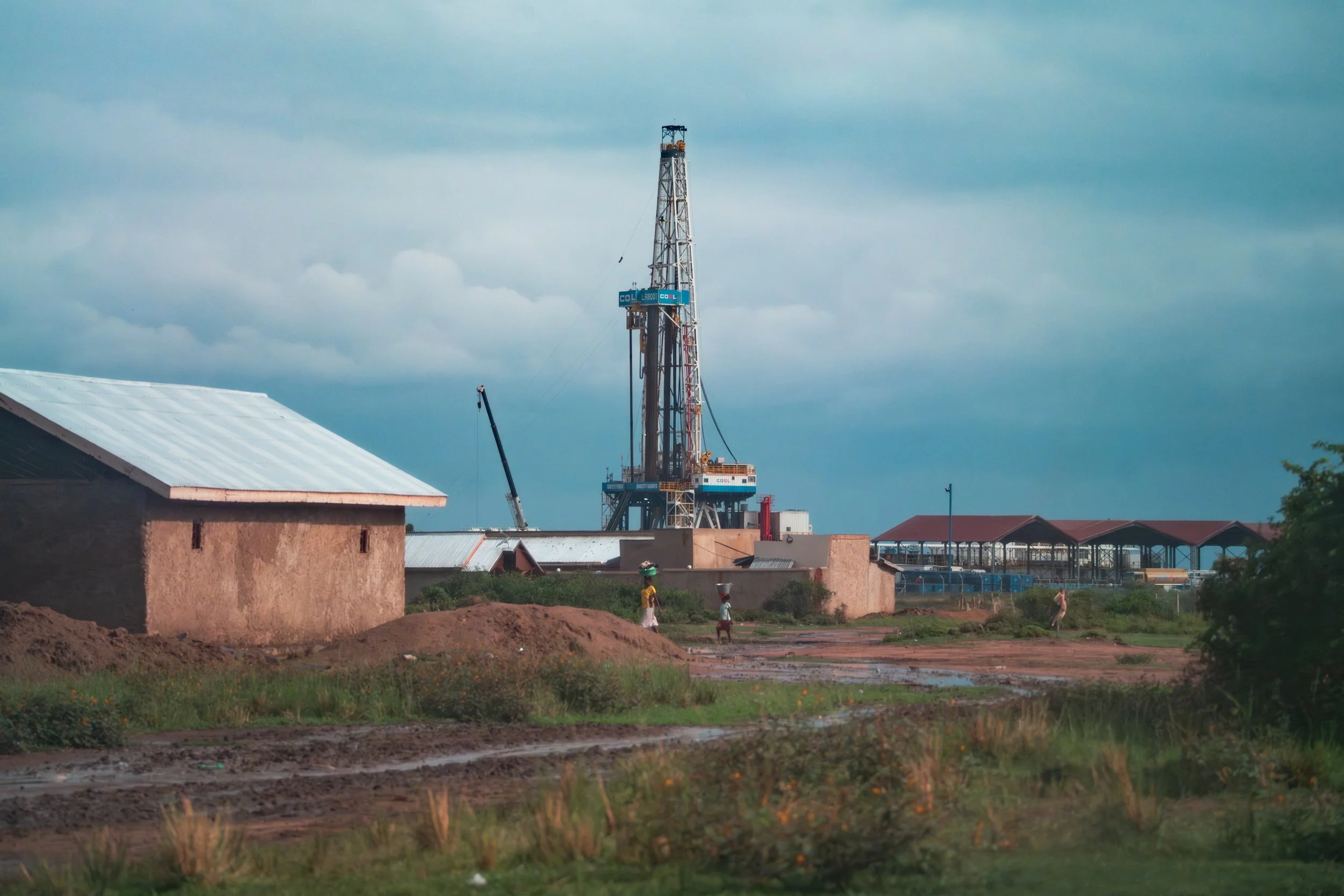
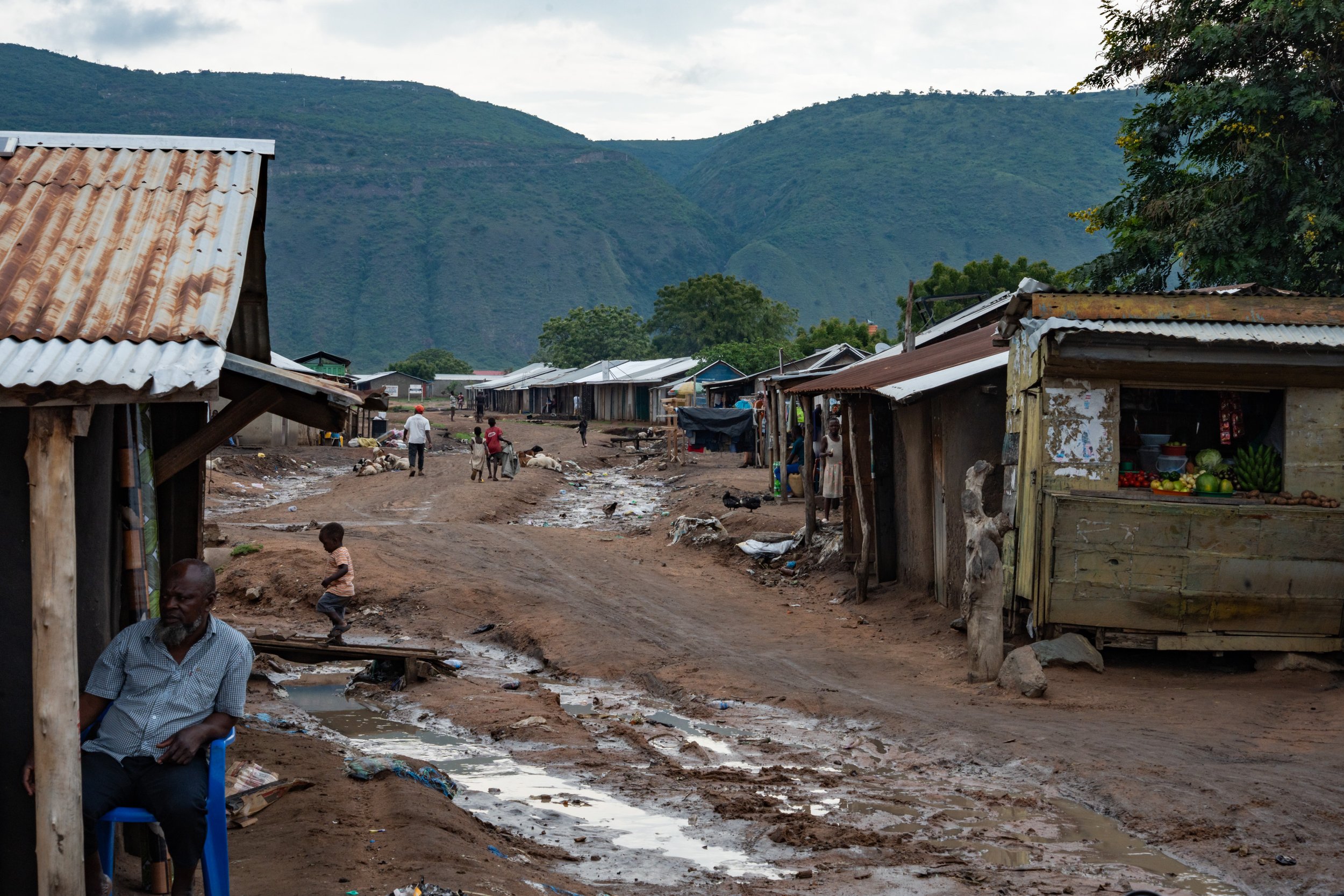
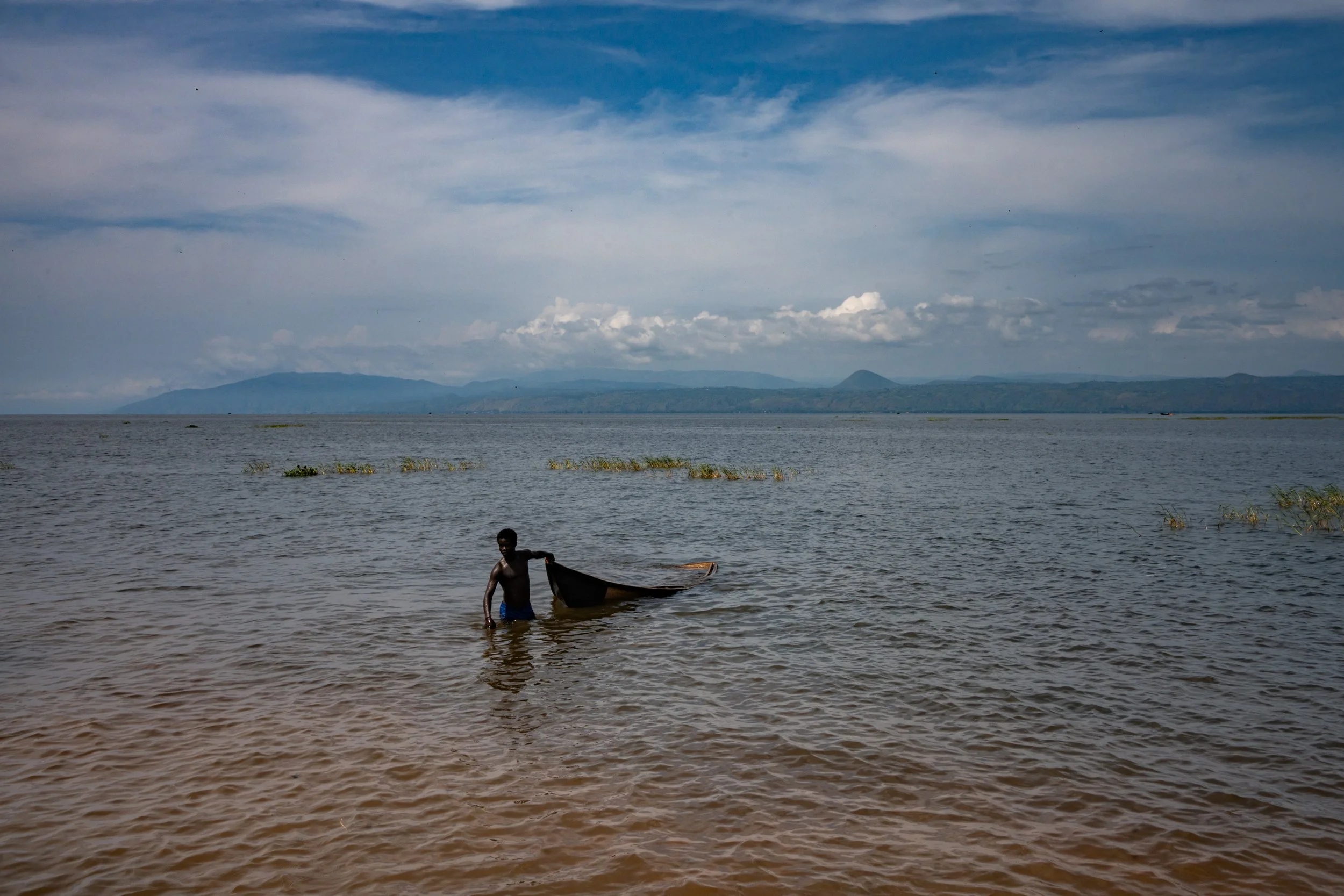
In 2006, an estimated 6.5 billion barrels of oil were discovered beneath Lake Albert, propelling Uganda to the rank of the fourth-largest holder of oil reserves in sub-Saharan Africa. To exploit these resources, the country plans the construction of the EACOP (East African Crude Oil Pipeline), a 1,445-kilometre infrastructure linking Uganda’s oil fields to the Tanzanian coast. It will be the longest heated oil pipeline in the world, but this construction comes at a human cost and the communities living near the oil installations are its primary victims. In Masaka, in the south of the country, the pipeline will cut through the land of several hundred residents. In Uganda, where deceased relatives are traditionally buried on family land, many families have been forced to exhume and relocate graves themselves. They attempted to alert the authorities, who failed to respond under pressure from TotalEnergies. In Murchison Falls National Park, it is wildlife that is being disrupted, as an extraction well has been erected in the middle of the reserve. Elephants, particularly disturbed by noise and light pollution, have been responsible for several deadly attacks on villages bordering the park. Fences had been promised by the oil companies, yet residents are still waiting, watching daily as elephants destroy their crops and put their lives at risk. Pressure, harassment and violence: this is what PAPs (Project-Affected Persons) are exposed to in Kingfisher, where the China National Offshore Oil Corporation (CNOOC) plans to produce nearly 40,000 barrels of oil per day in an area that is already heavily militarized and off-limits. The project is also an ecological disaster. Along the shores of Lake Albert, where local communities largely depend on fishing, waterways polluted by extraction flow into the lake. Residents of Buliisa, neighbors of TotalEnergies’ Tilenga project, have been forced off their land and relocated to so-called “model villages.” Isolated from surrounding communities, residents report a lack of essential services such as running water and healthcare, and many have never received the financial compensation that was promised to them.
With journalist Margaux Solinas.