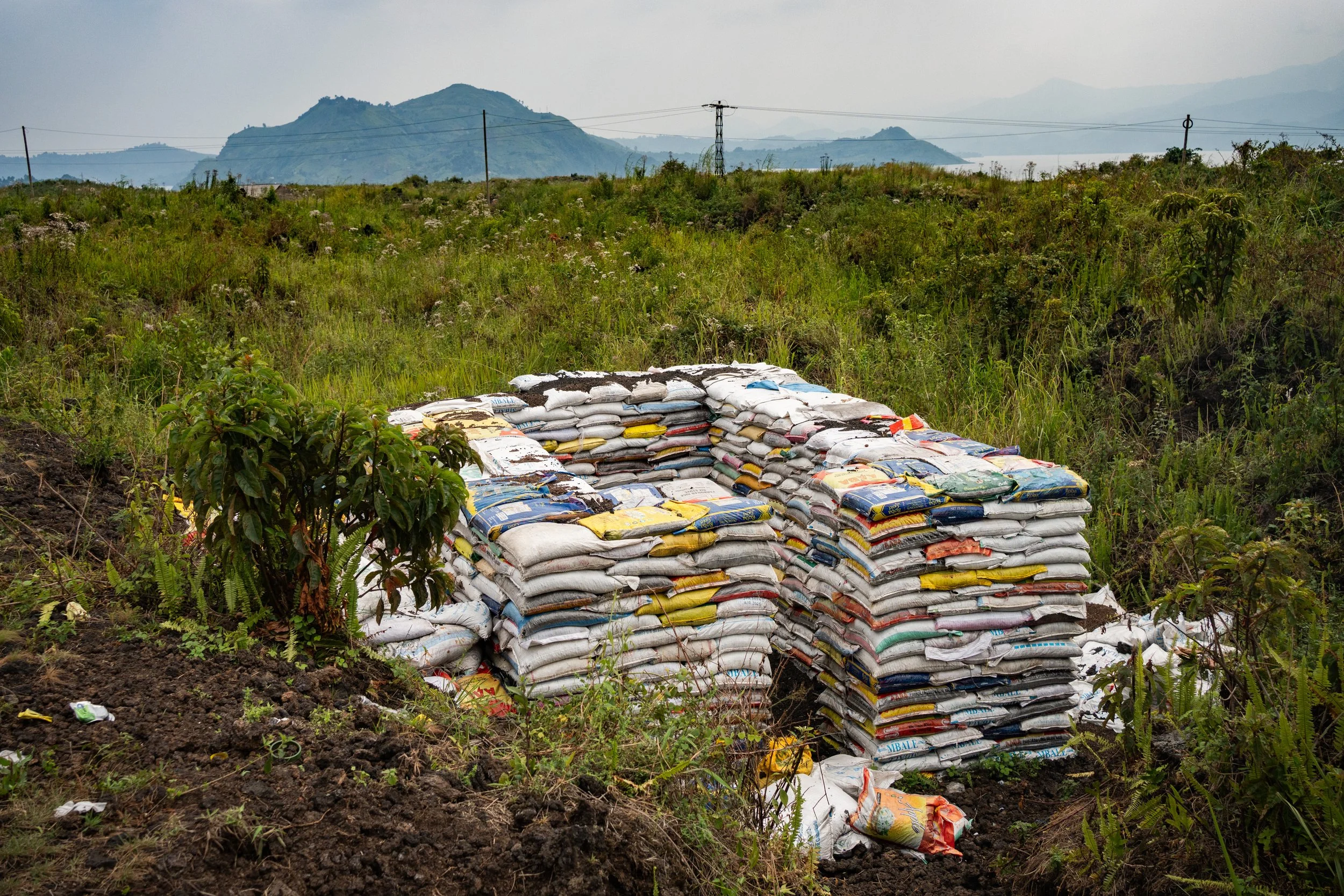
DRC: Living under the M23
For more than thirty years, the east of the Democratic Republic of Congo, located over 2,000 km from the capital, Kinshasa, has been ravaged by a conflict that traces its origins to the Rwandan genocide. Since 2021, this conflict has intensified, reaching a critical point on January 27 of this year when the armed group M23 (March 23 Movement) took control of Goma, the capital of North Kivu. This city, with more than two million inhabitants, has witnessed violent clashes between the M23 supported, according to the UN, by neighboring Rwanda and the Congolese army, assisted by militias and mercenaries.
While consolidating its hold on North Kivu, the M23 continued its advance southward, capturing Bukavu on February 16, 2025, and continuing to expand since. The fighting, which took place in urban areas, particularly in displacement camps, has led to a lot of deaths and injuries but no one knows the exact number, with hospitals overwhelmed. Since 2021, more than one million people have fled the fighting around Goma and have gathered in displaced persons camps on the outskirts of the city. The M23, claiming that security had returned to the territories it occupies, ordered the dismantling of these camps within 72 hours, plunging the displaced people into great distress. The capture of the city has worsened insecurity, plunging the inhabitants into fear. The streets regularly reveal the bodies of victims of mob justice and settling of scores. Sexual violence exploded during the city’s capture, each side claims its victims.
The M23, has established a new administration in the territories it controls, thereby separating them from the rest of Congolese territory. According to the UN, the group is responsible for numerous human rights violations: summary executions, recruitment of child soldiers, sexual violence. Despite this situation, part of the population continues to hope for change. For years, they have suffered from the abandonment of a corrupt and failing government, which has left this territory to fend for itself. In a region where, for more than thirty years, violence has been passed down from generation to generation, civilians only long for peace. The M23’s capture of Goma and Bukavu, with its peak of violence, has plunged the entire area into uncertainty. As Sifa, 21 years old, who has just given birth to a little boy in Goma, testifies: “I named my son ‘War’ because that’s all I’ve known so far.”
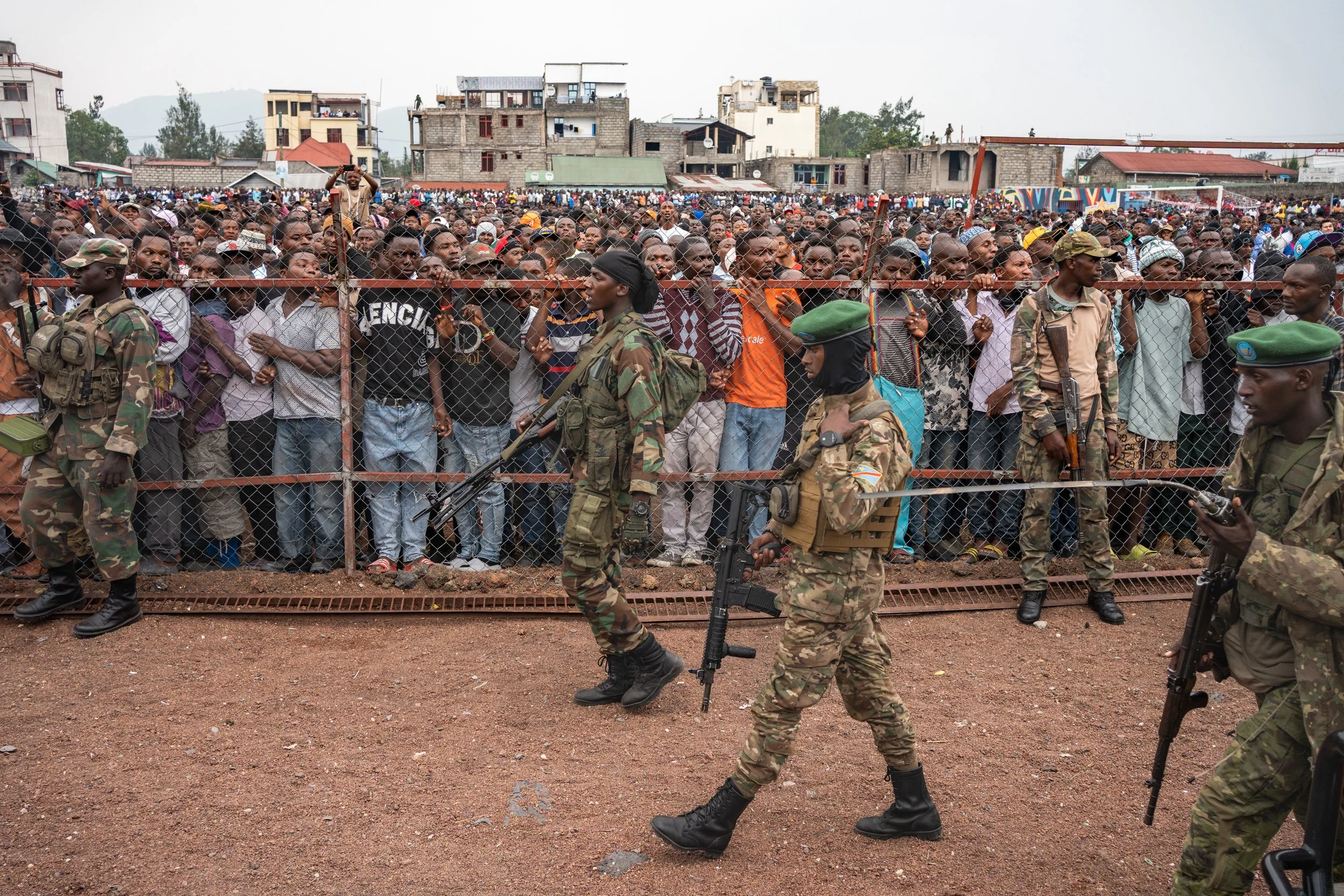
First meeting of the M23 and its political branch, AFC (Alliance Fleuve Congo), since the capture of Goma. Goma, February 6, 2025.
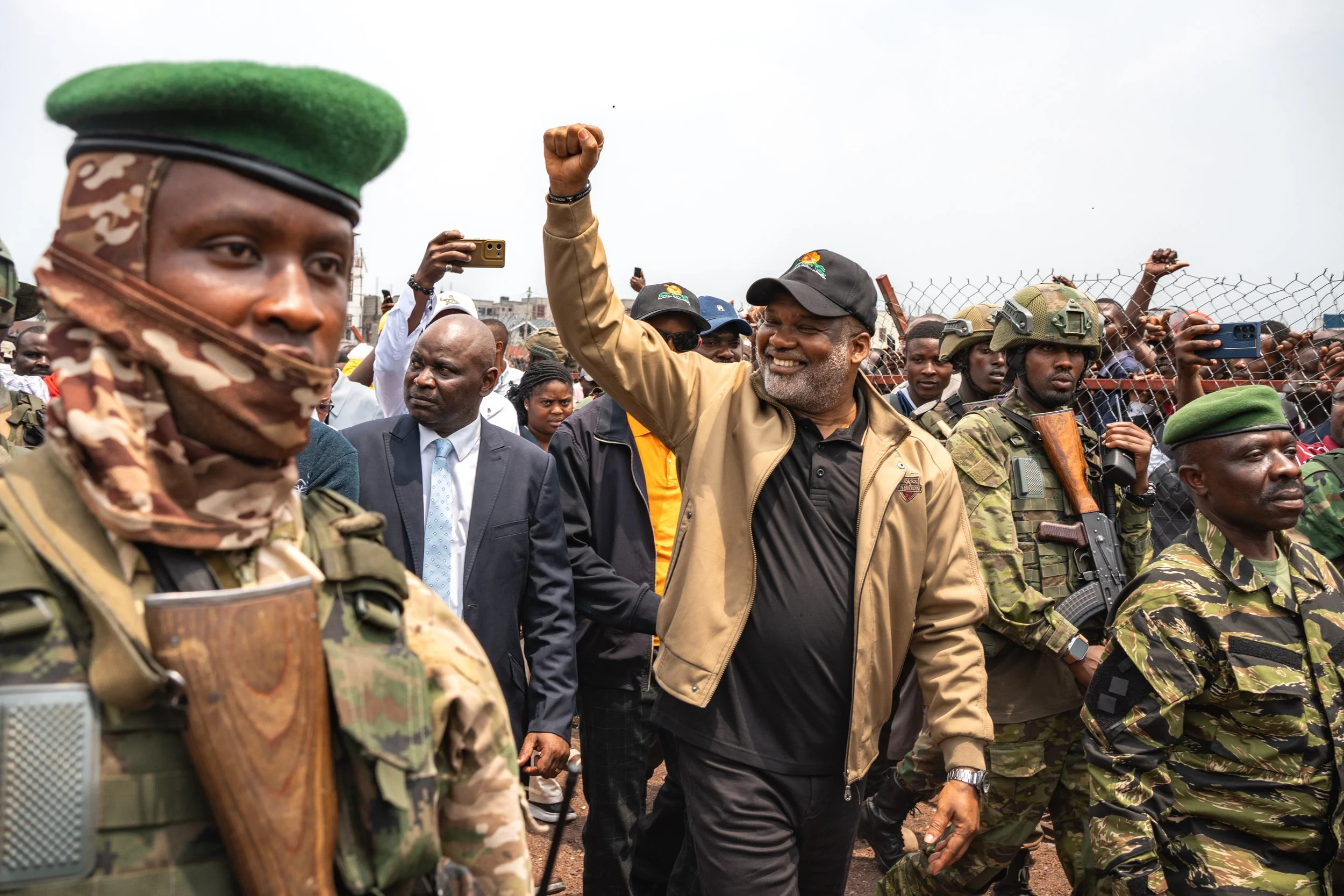
Corneille Nangaa, leader of the AFC (Alliance Fleuve Congo), parades during their first meeting since the capture of Goma. Goma, February 6, 2025.
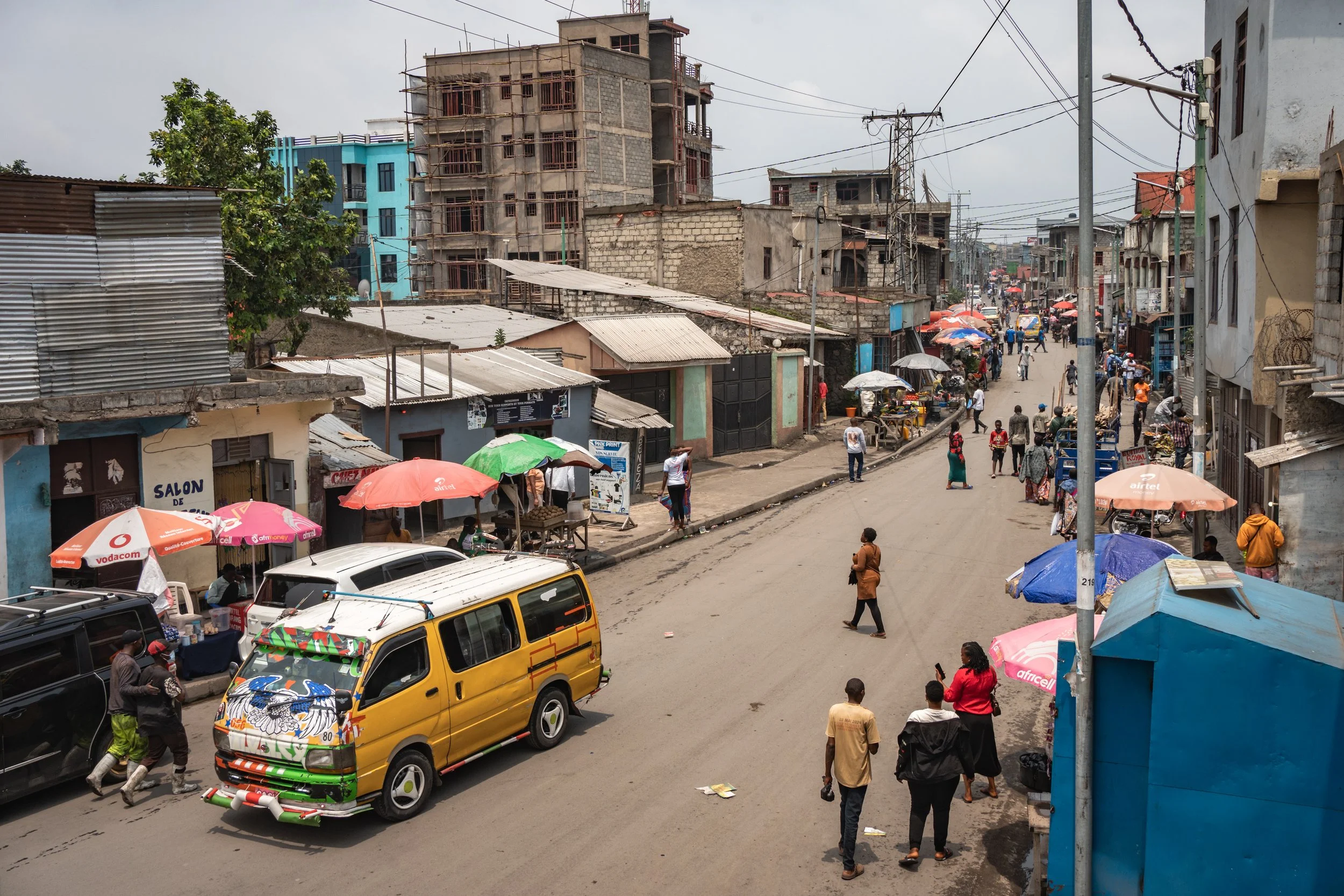
A street in the Mapendo neighborhood of Goma. Life is slowly returning to normal, as the city was the scene of violent clashes between the FARDC (Armed Forces of the DRC) and M23 rebels, resulting in several hundred deaths. Goma, February 7, 2025.
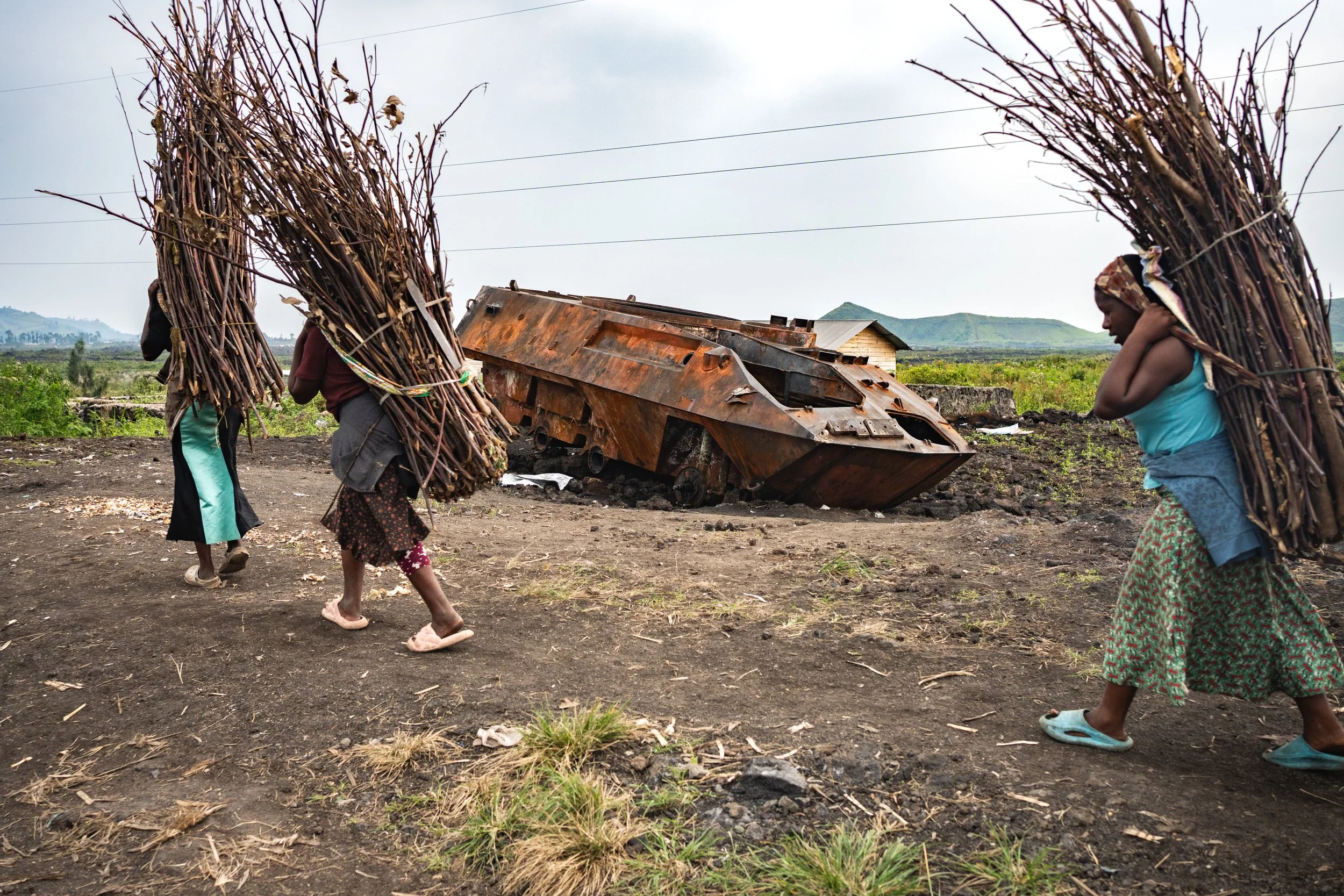
A MONUSCO vehicle (UN Mission in the Democratic Republic of the Congo), present in the region since 1999, was burned following clashes with M23. February 9, 2025.
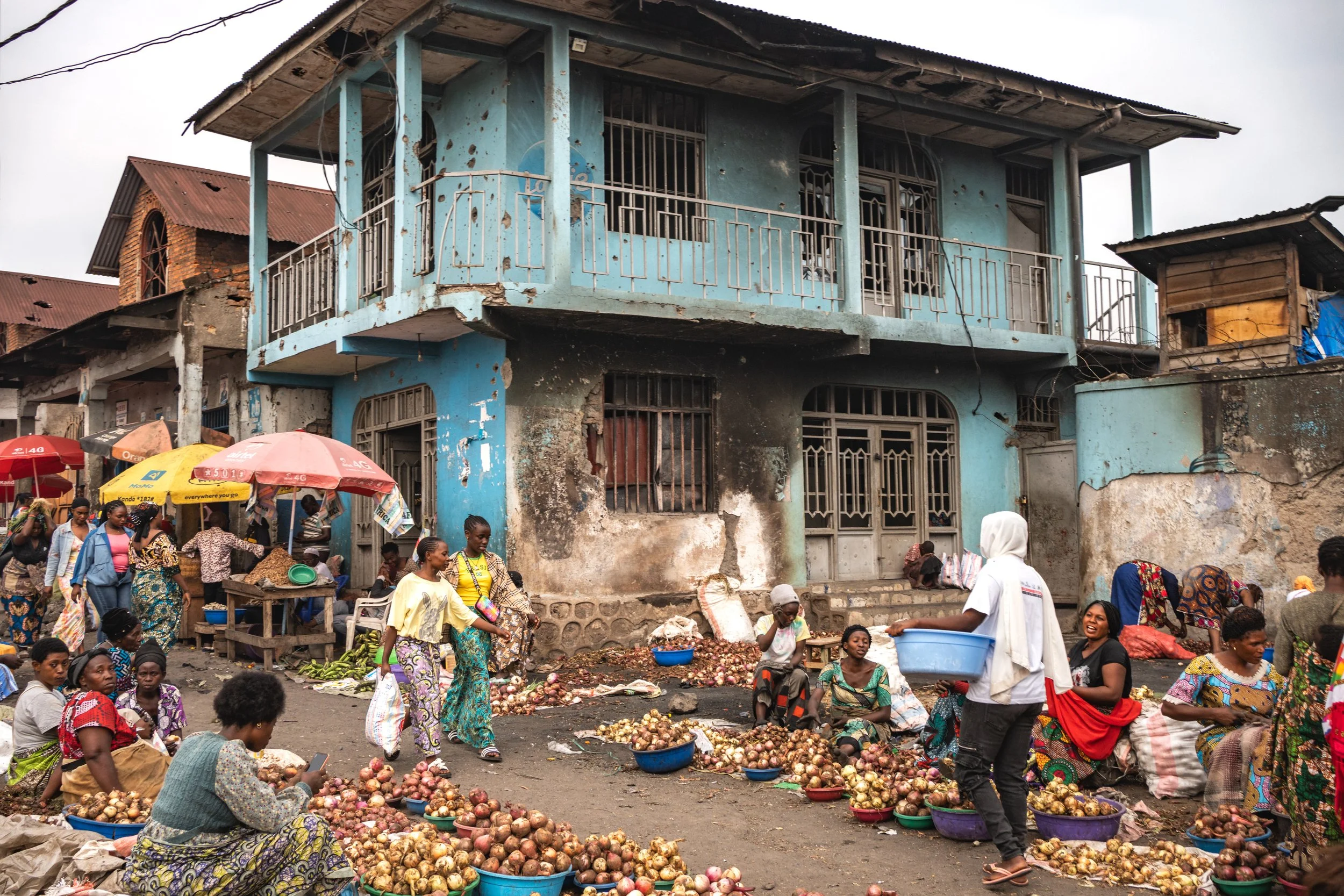
Along the Goma international airport, life is slowly resuming, even though the city was the scene of violent clashes. Its closure hindered the evacuation of the wounded and the delivery of humanitarian aid. Goma, February 7, 2025.
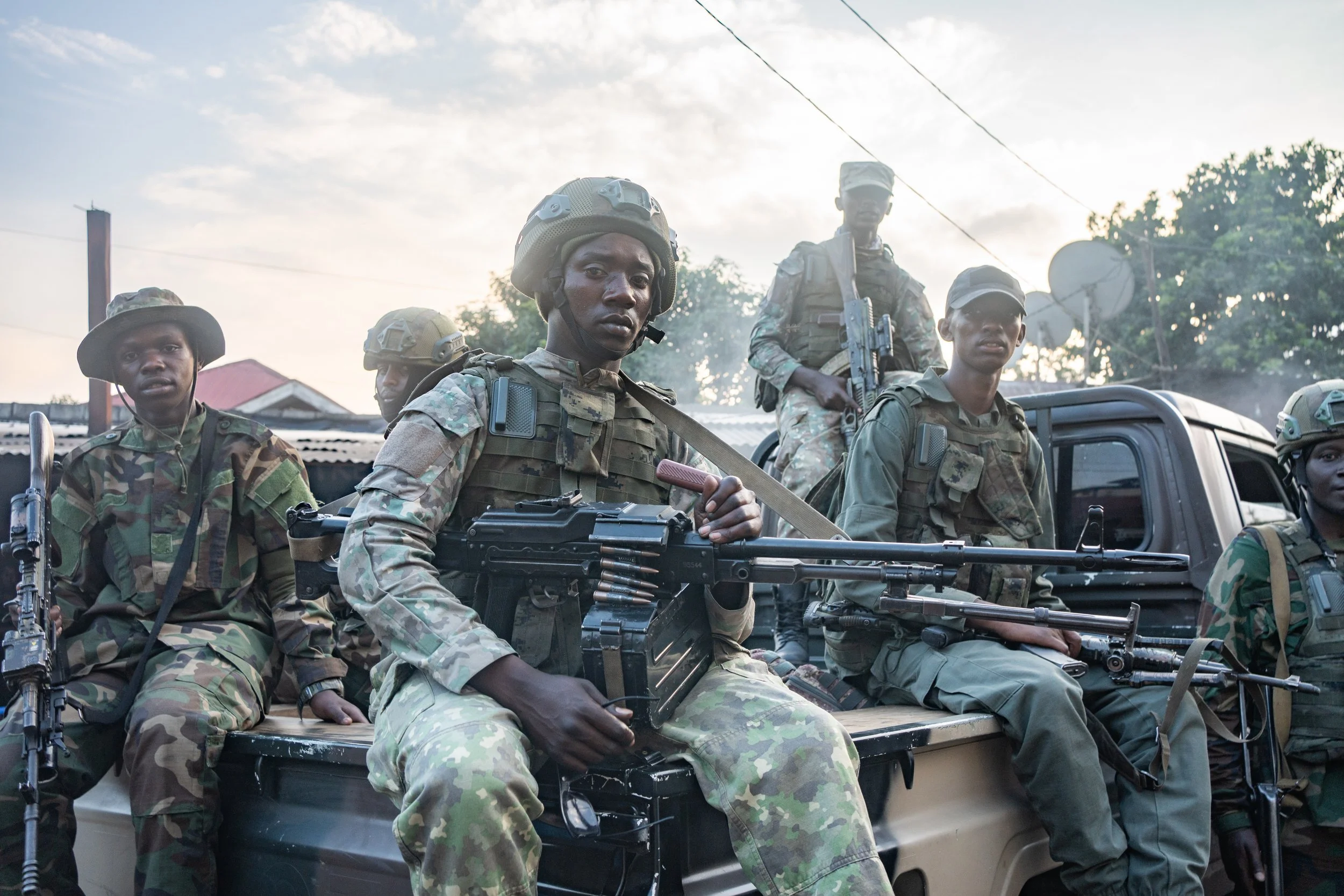
M23 soldiers patrol a market in downtown Goma. DRC, February 10, 2025.
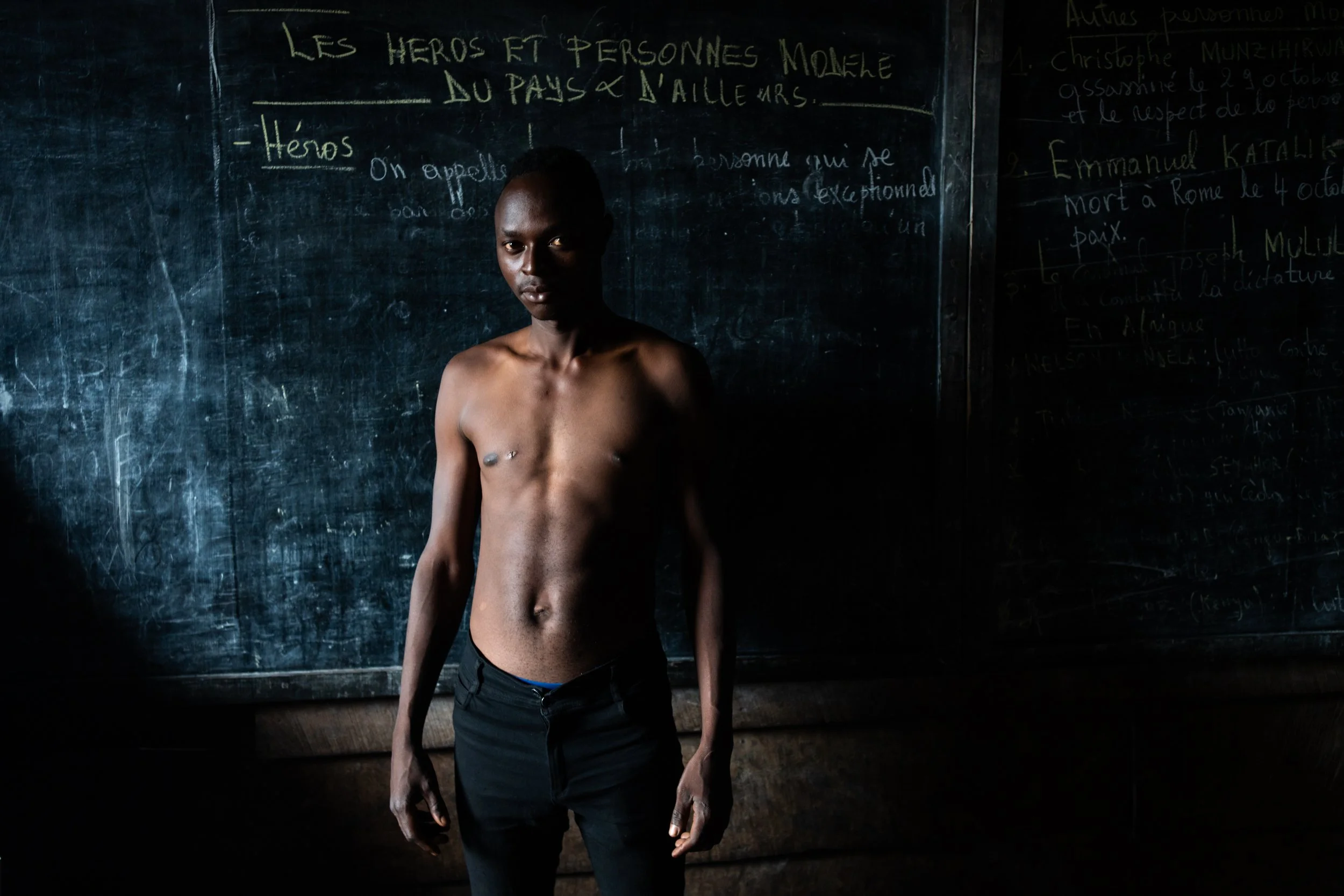
Patrick, 26, was displaced due to the clashes between M23 and the FARDC. "I was hit by a stray bullet in the chest. I don’t really know why there’s a war, but it’s not over." DRC, February 8, 2025.
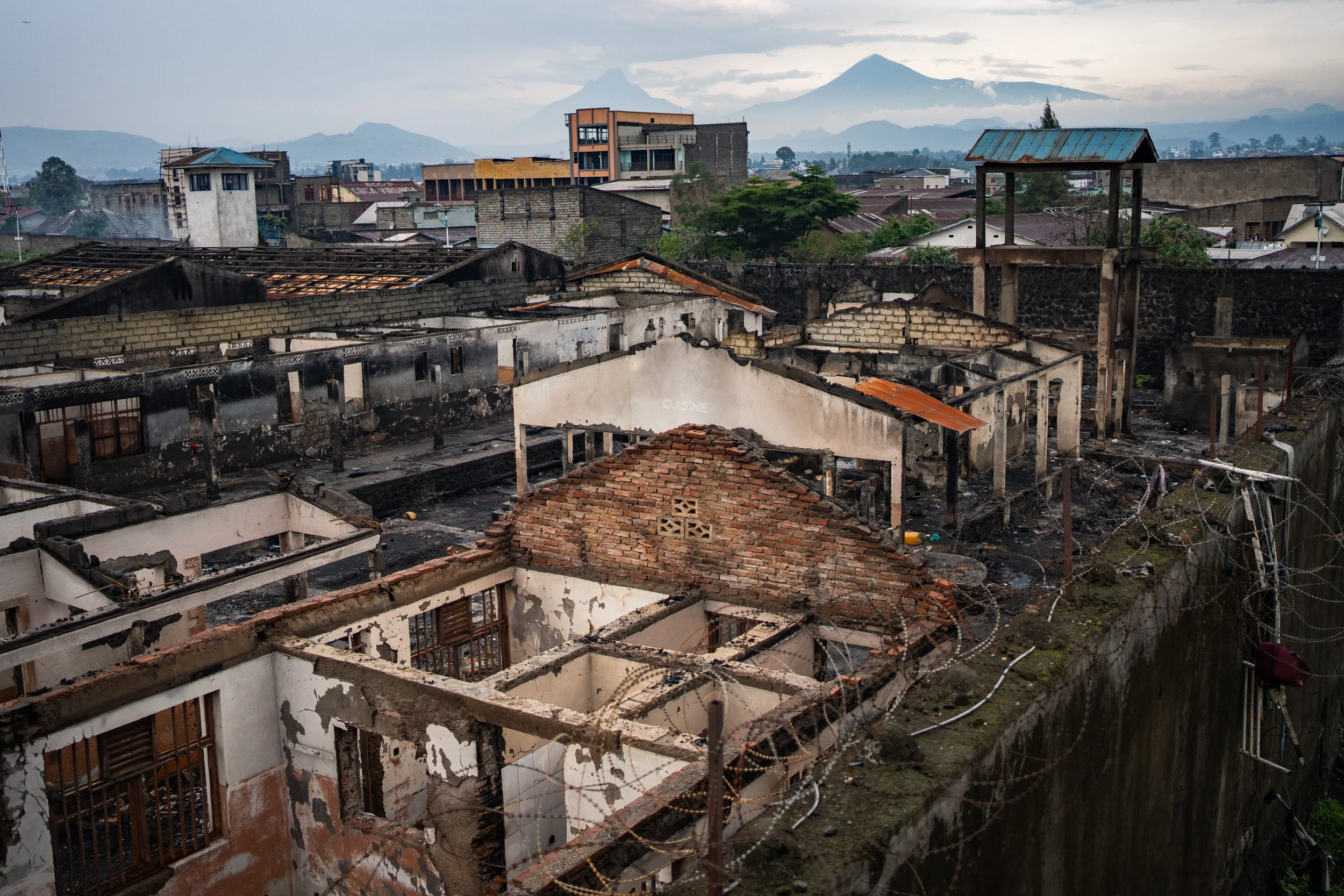
The Muzenze central prison in Goma was set on fire during the city’s capture. Nearly 200 women, with their children, were locked inside and burned alive. Goma, February 8, 2025.
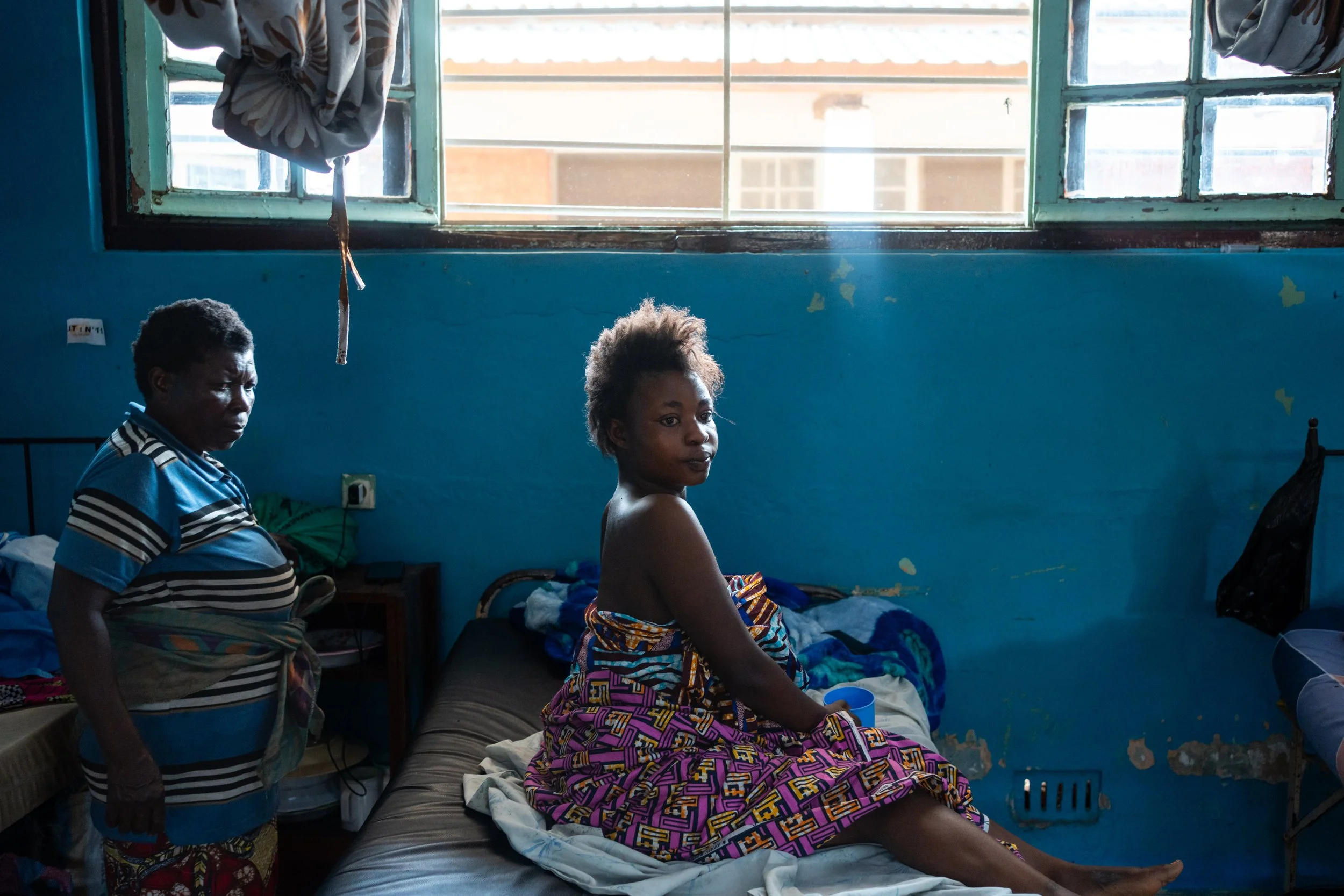
Annifa, 20, and her mother Sifa, at the Bukavu Hospital. "I was at home when a stray bullet hit me," says Annifa. Bukavu, February 18, 2025.
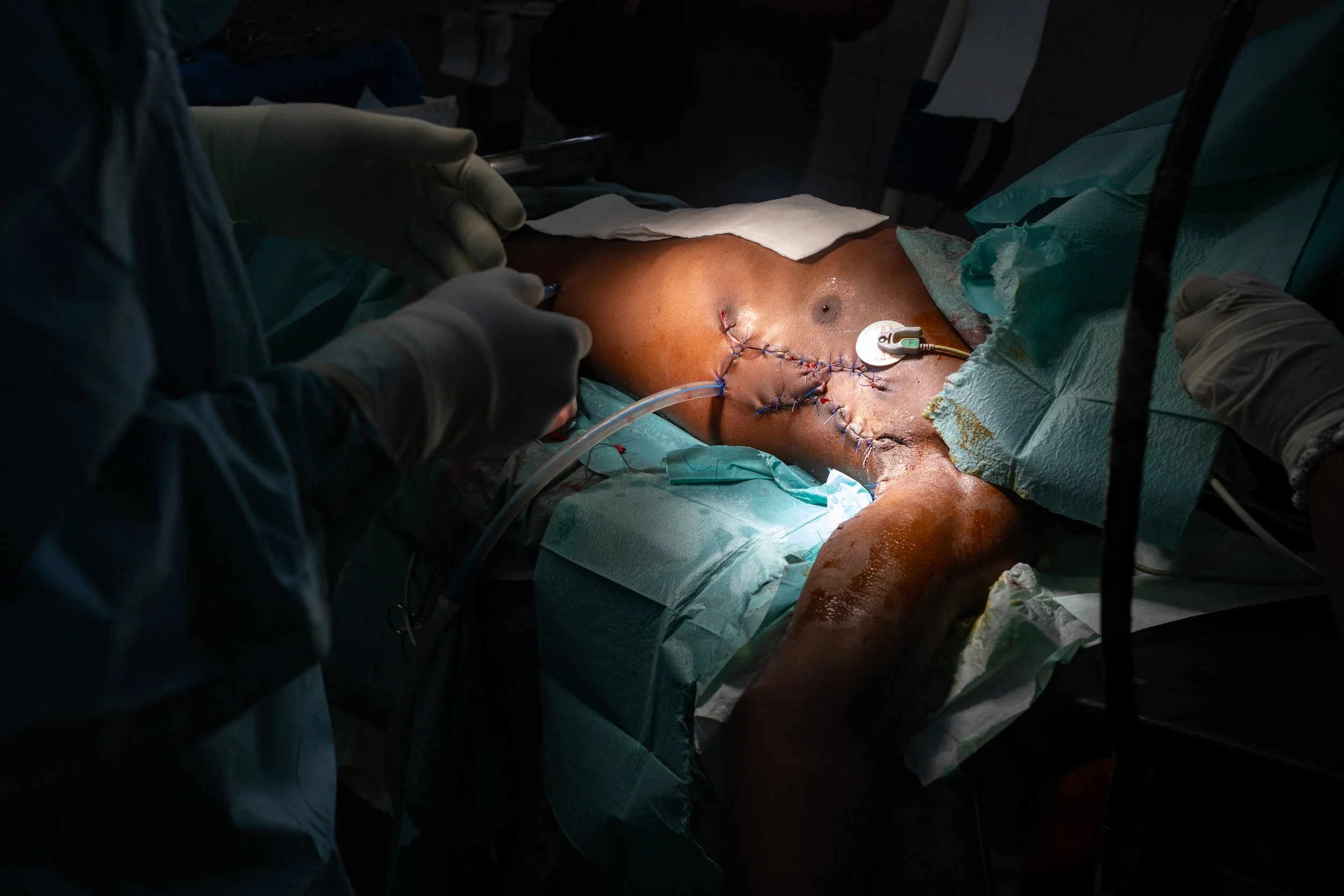
Dr. Sidibé operates on a war-wounded patient at the CBCA Ndosho hospital in Goma, managed by the ICRC. 63% of war injuries are civilians. Goma, DRC, February 11, 2025.
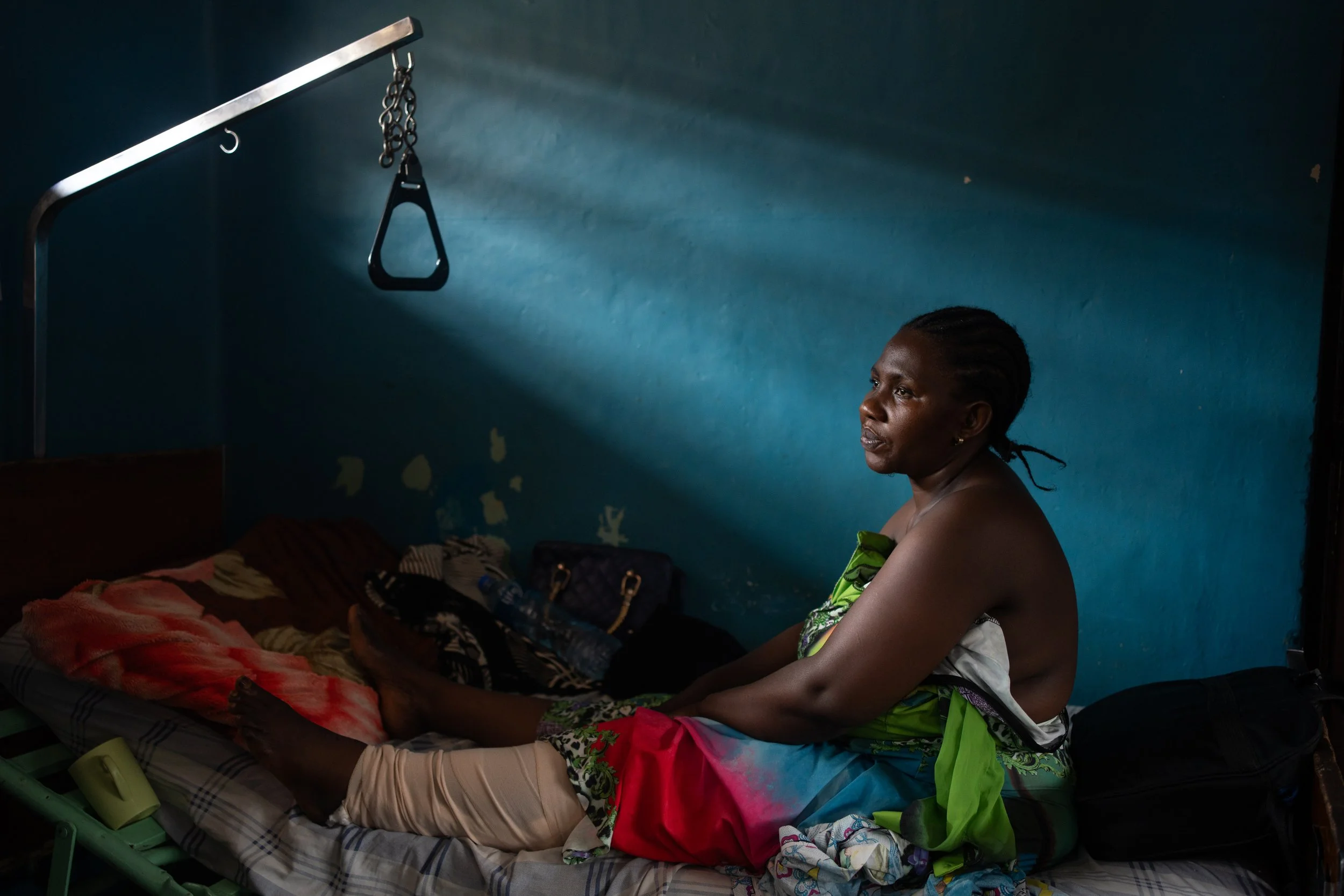
Anne-Marie, 41, was injured in Kavumu. "Point-blank, while a FARDC soldier tried to steal my phone, he shot me in the leg." Provincial General Hospital of Bukavu. DRC, February 18, 2025.
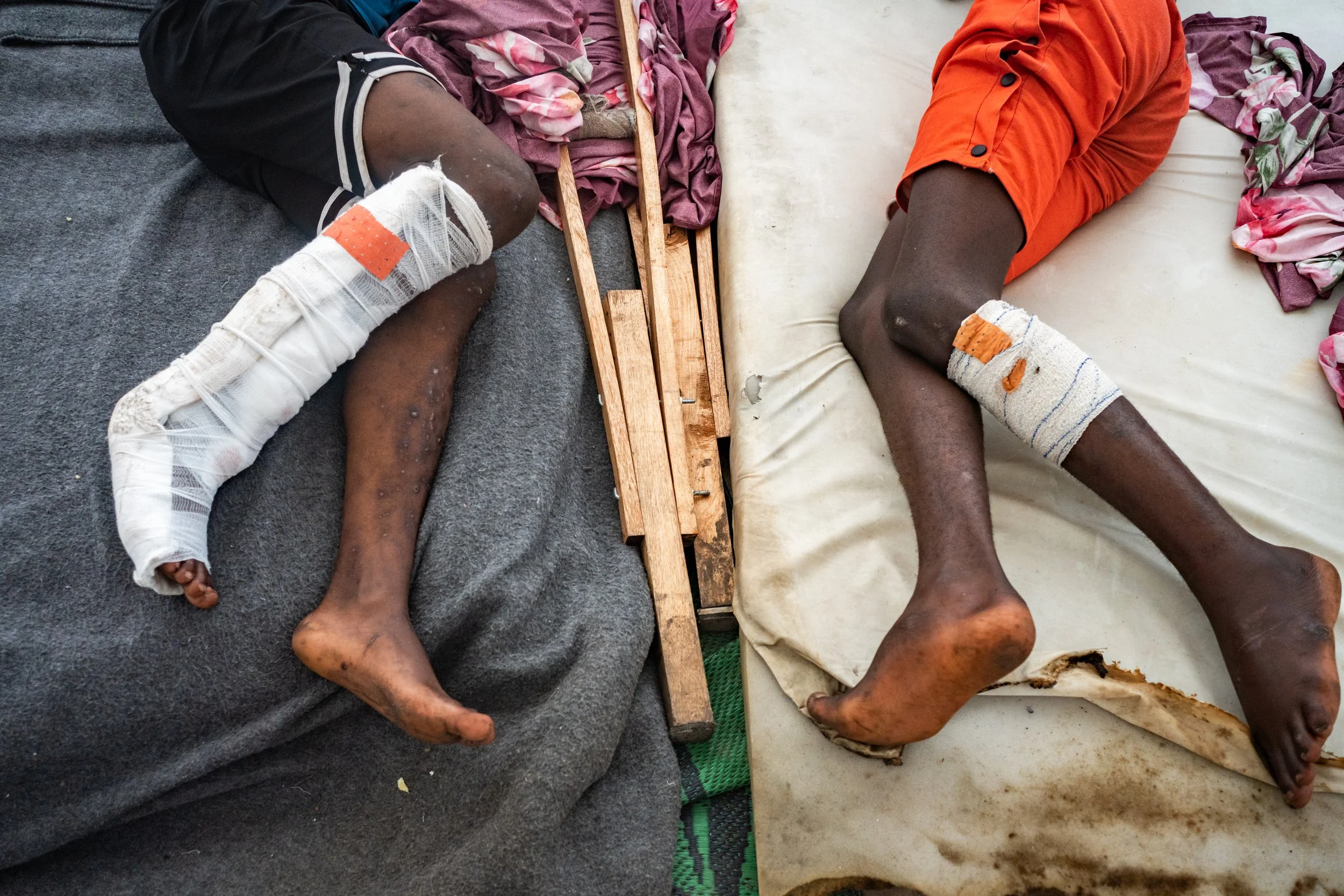
At the Ndosho hospital in Goma, managed by the ICRC, 67% of war-wounded patients are civilians, including 20% women and 12% children under 15. Goma, February 11, 2025.
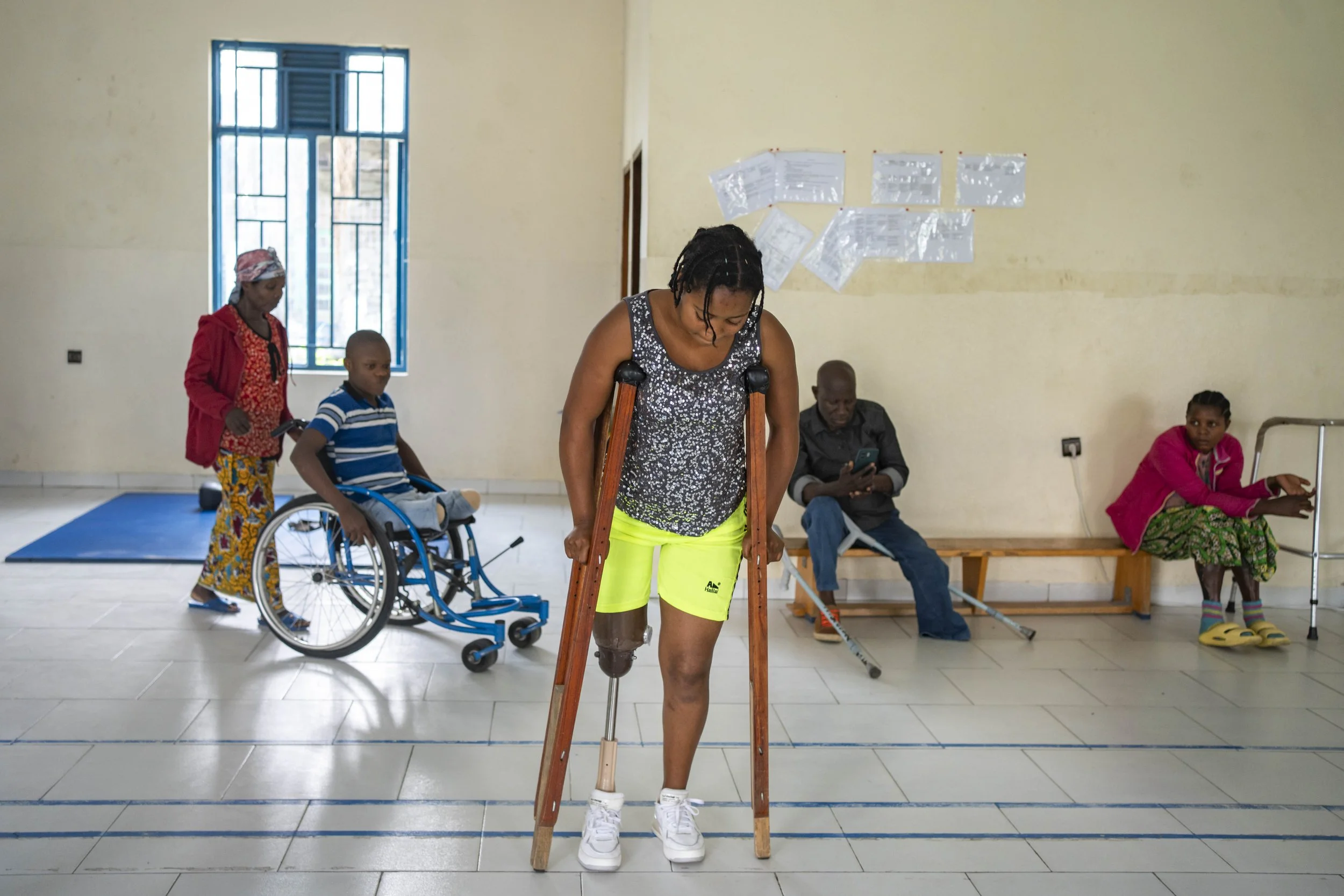
Sarah Twisenge, 18, is taking her first steps with a prosthetic leg. “We were coming back from church with my two brothers and three friends. We took shelter in a house, but a bomb fell on the roof. I am the only survivor.” Shirika La Umoja Hospital, Goma, DRC, October 20, 2025.
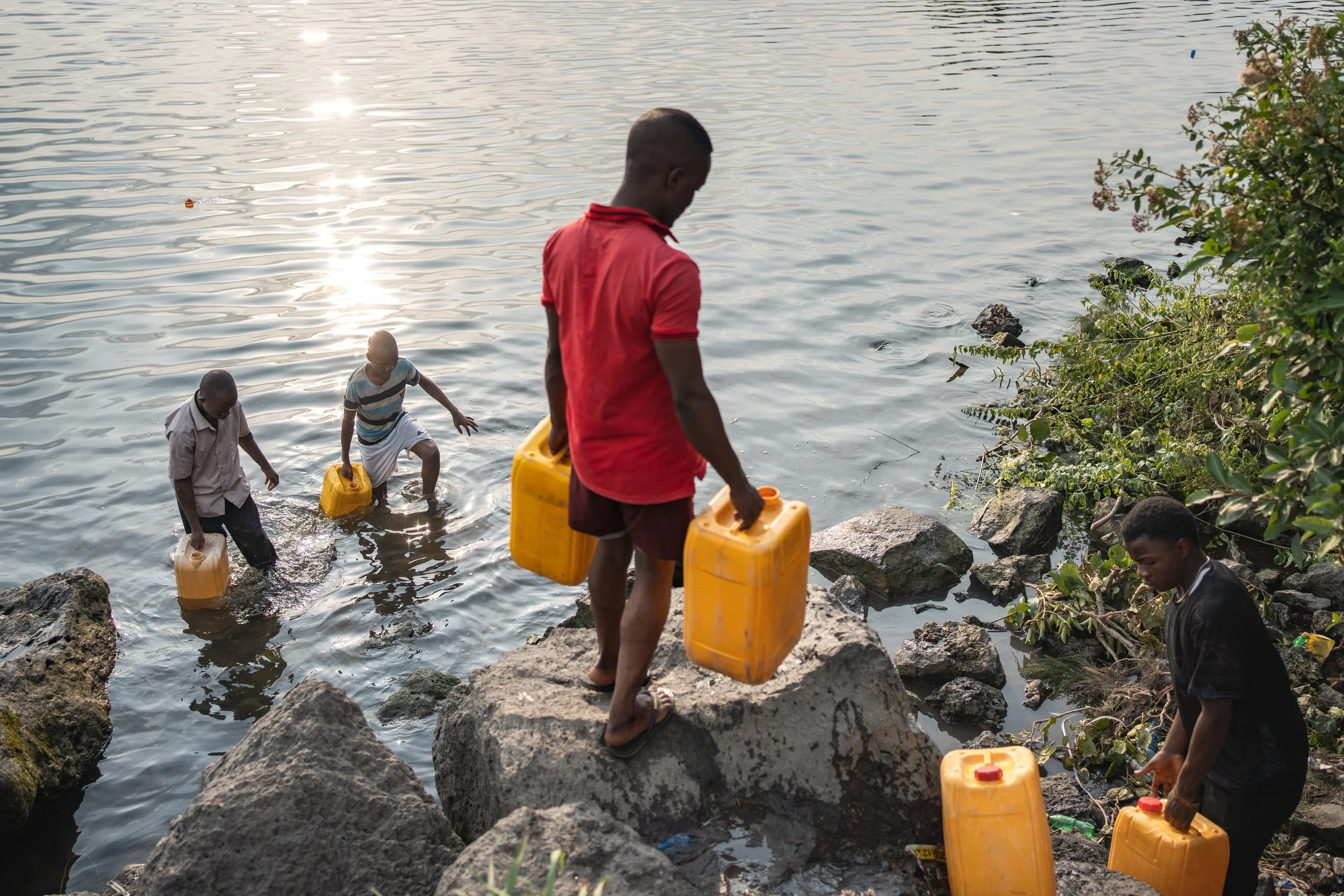
Residents of Goma draw water from Lake Kivu. Following the clashes, a large portion of the city’s two million inhabitants have been deprived of clean drinking water, sanitation services, and electricity, leading to diseases like cholera. Goma, February 9, 2025.

ICRC staff bury bodies found in the streets after the clashes. Goma, February 8, 2025.
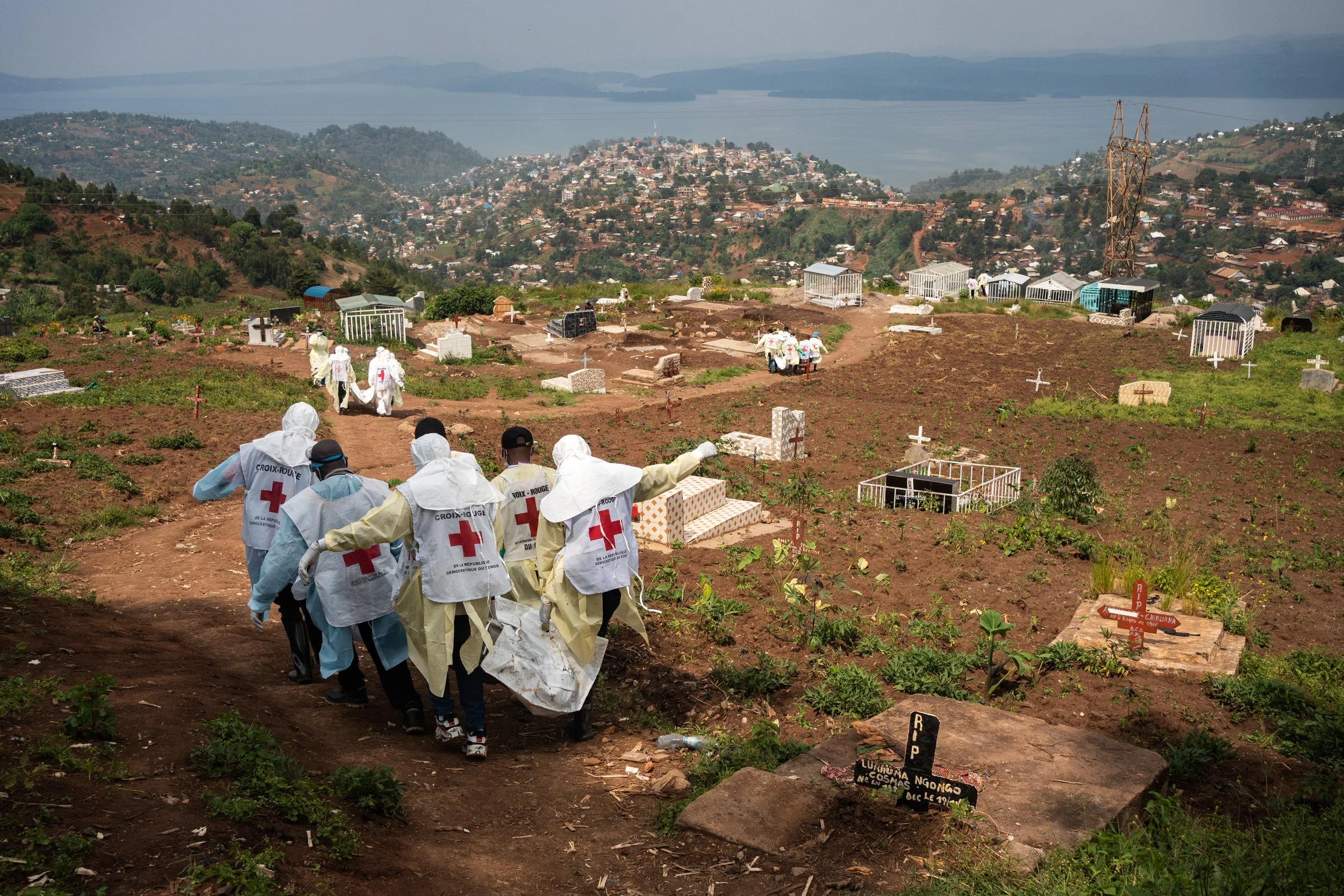
According to the Congolese Red Cross, inside the 18 body bags are the unidentified bodies of men in military uniform, two burned corpses, and that of a child about 10-12 years old, wearing a camouflage outfit. Bukavu, February 20, 2025.
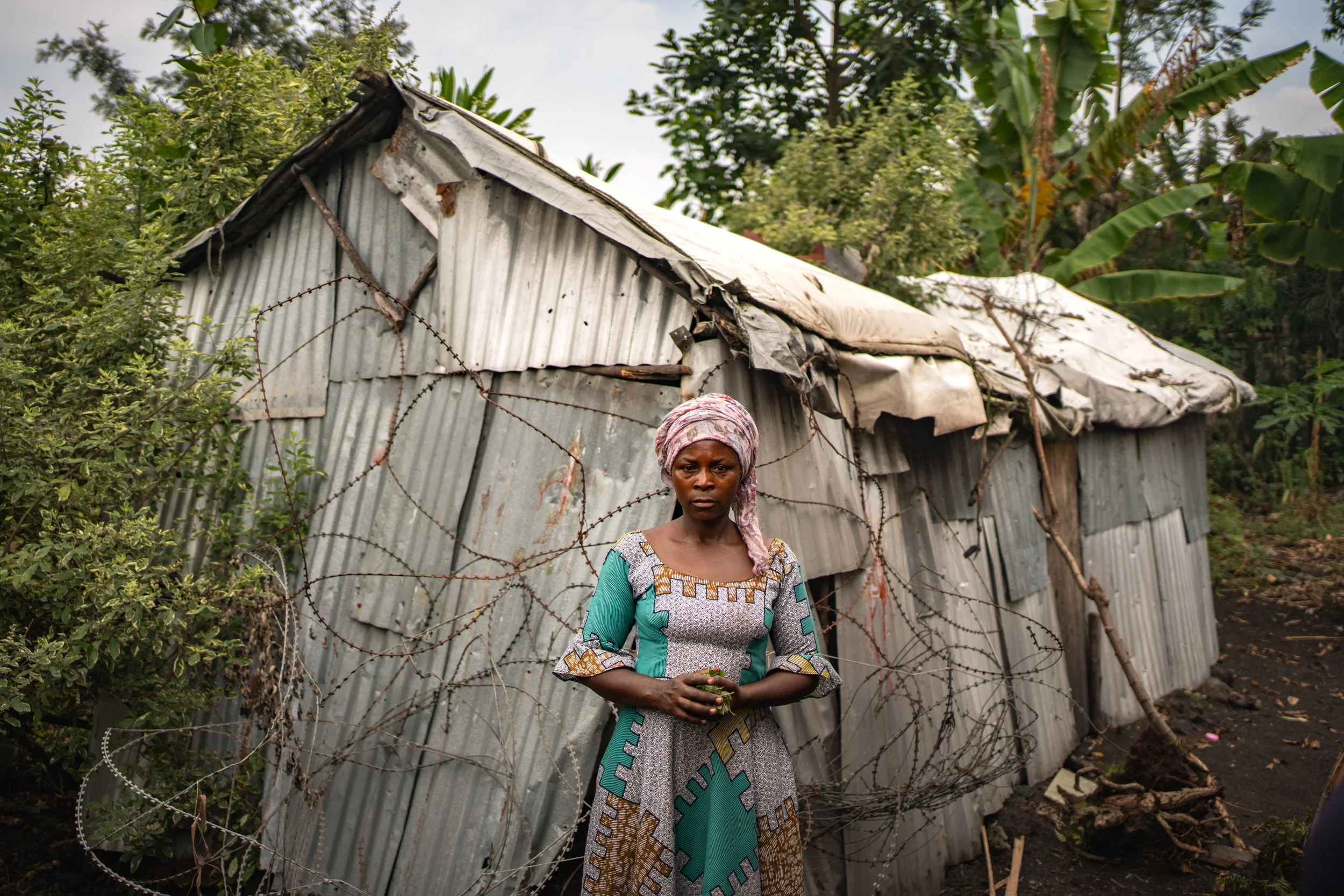
Fora, 35, stands in front of a warehouse next to her home. "My husband was there when the bomb fell, and he is still in the hospital. I feel really sad, my house was also destroyed. I don’t know if there is peace now, but at least there are no more bombs."Sake, February 9, 2025.
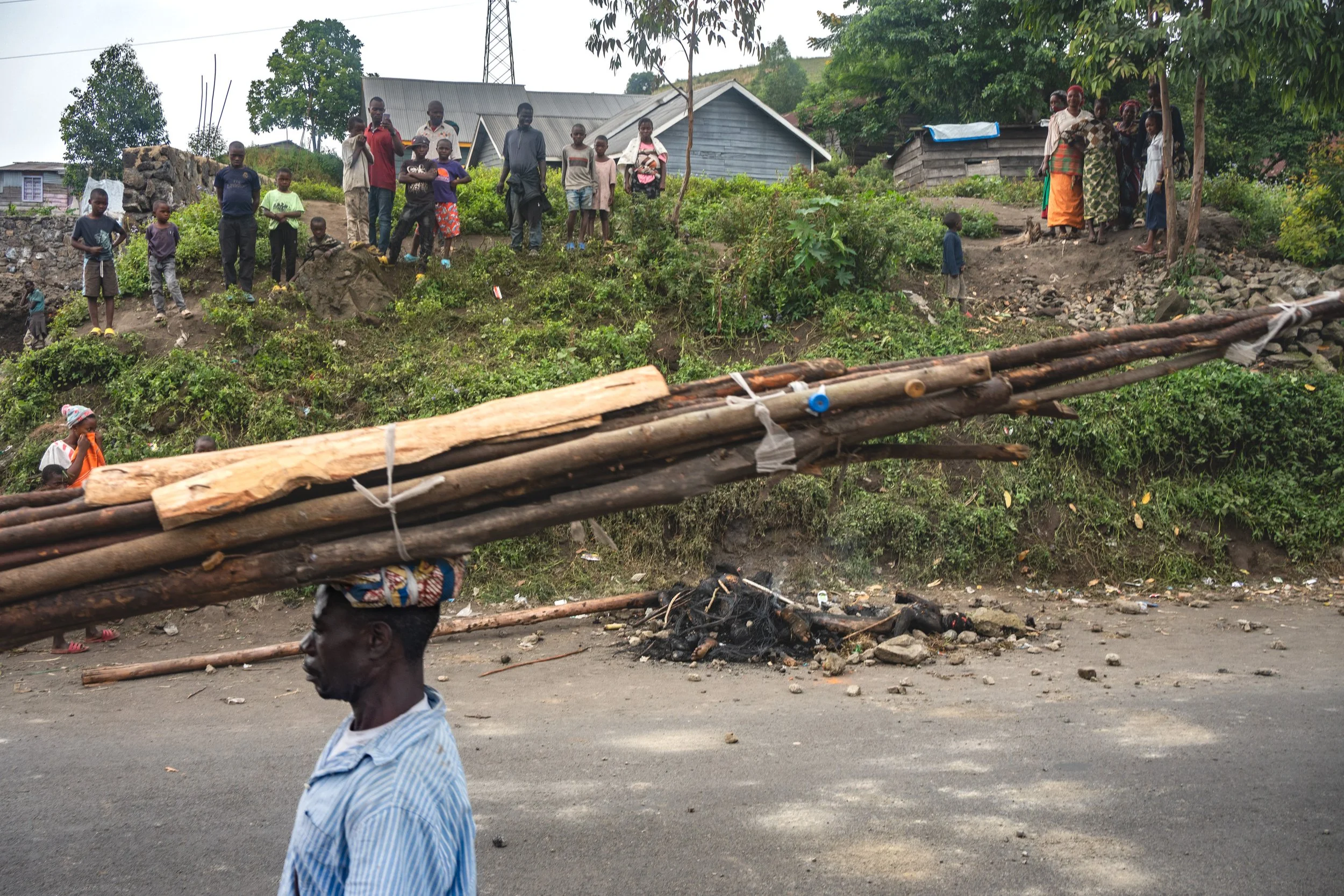
Three bodies burn at the side of a road on the outskirts of Goma. Accused of being bandits, mob justice is common since the M23 took the city. Goma, February 12, 2025.
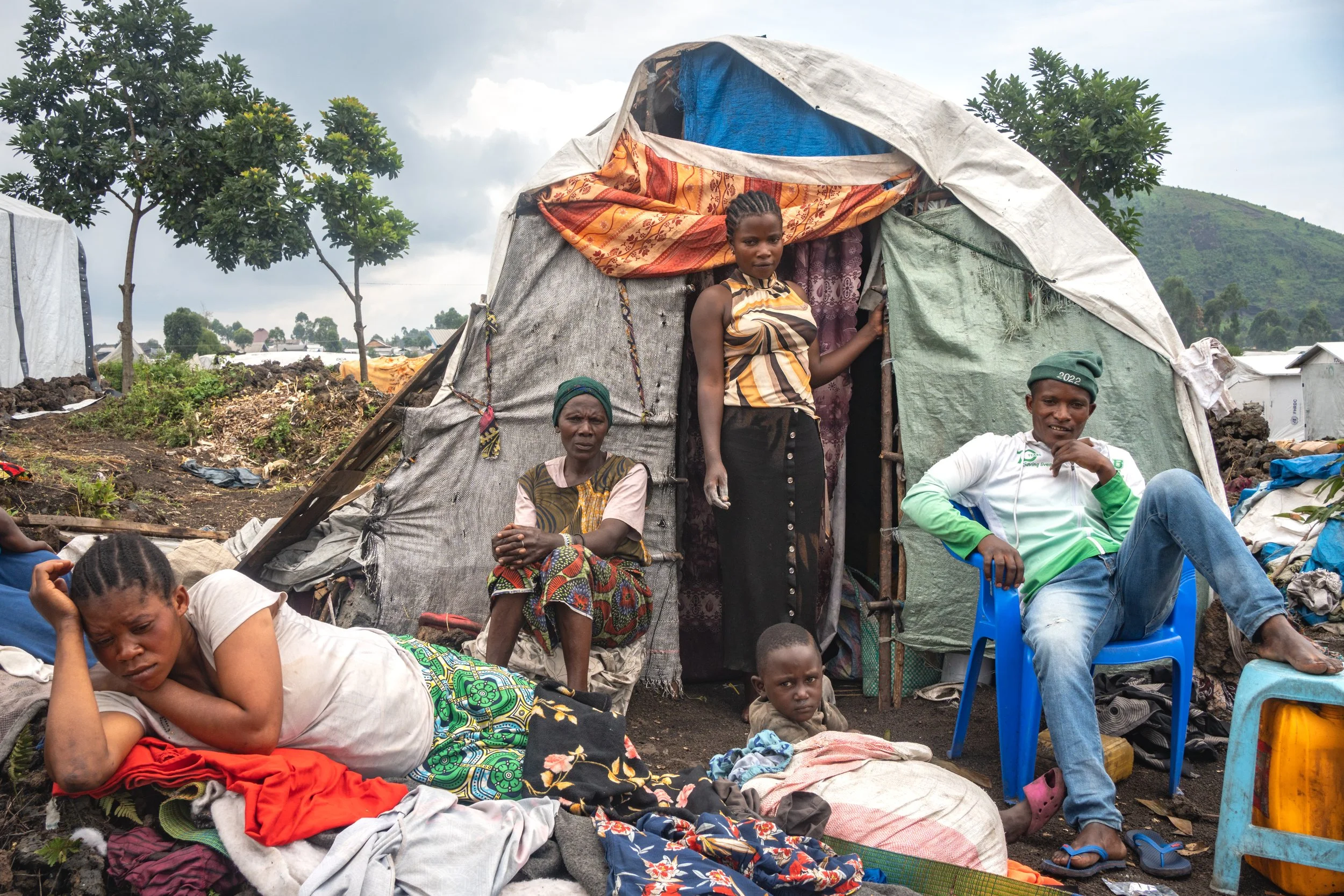
An internally displaced family in the Mugunga camp. Nearly 650,000 people have been displaced by recent or ongoing fighting, seeking shelter in unsanitary camps near the city of Goma. February 13, 2025.
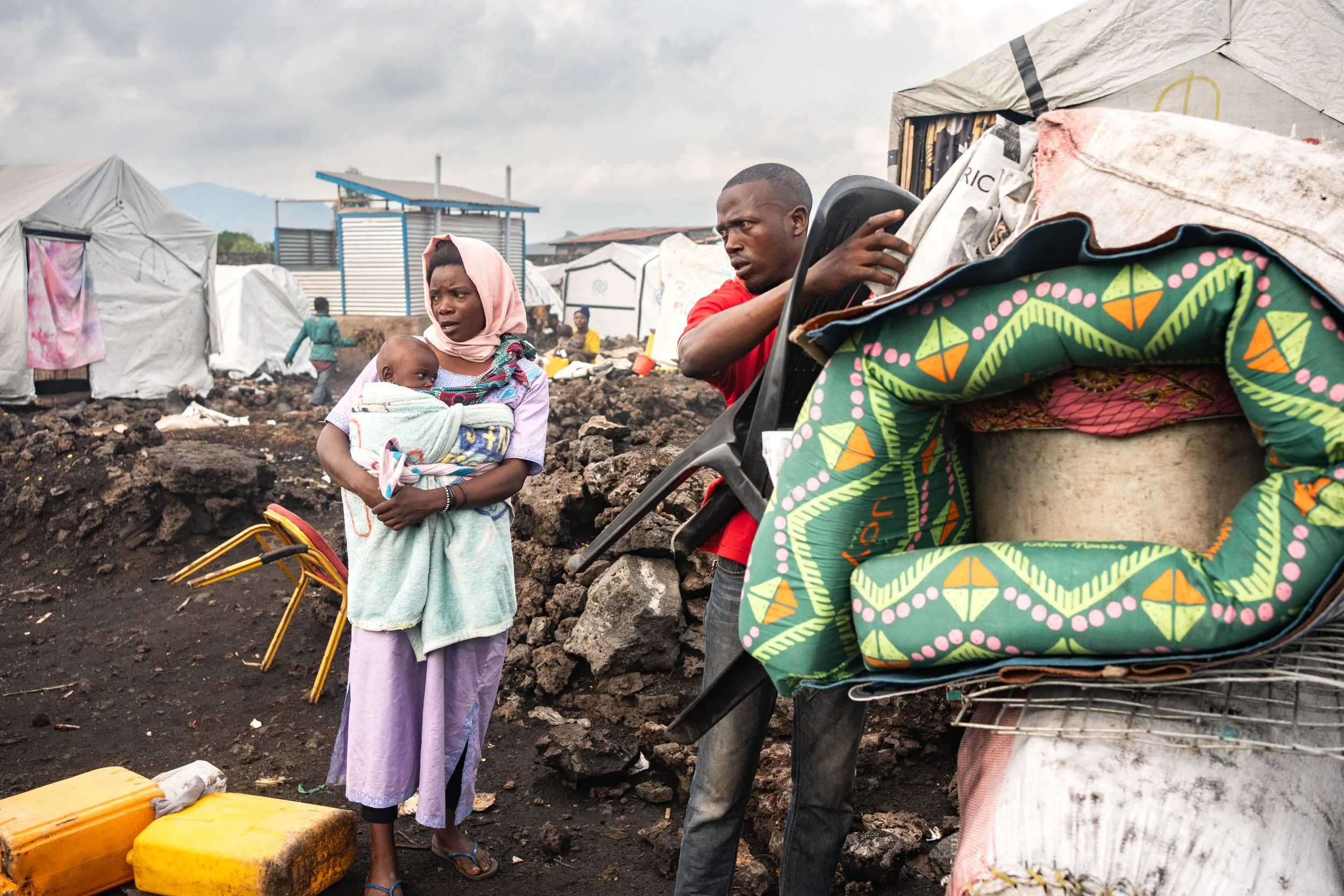
An internally displaced family packs its belongings after M23 gave 72 hours for the displaced to leave the camps, claiming that security has returned to areas under their control. February 13, 2025.
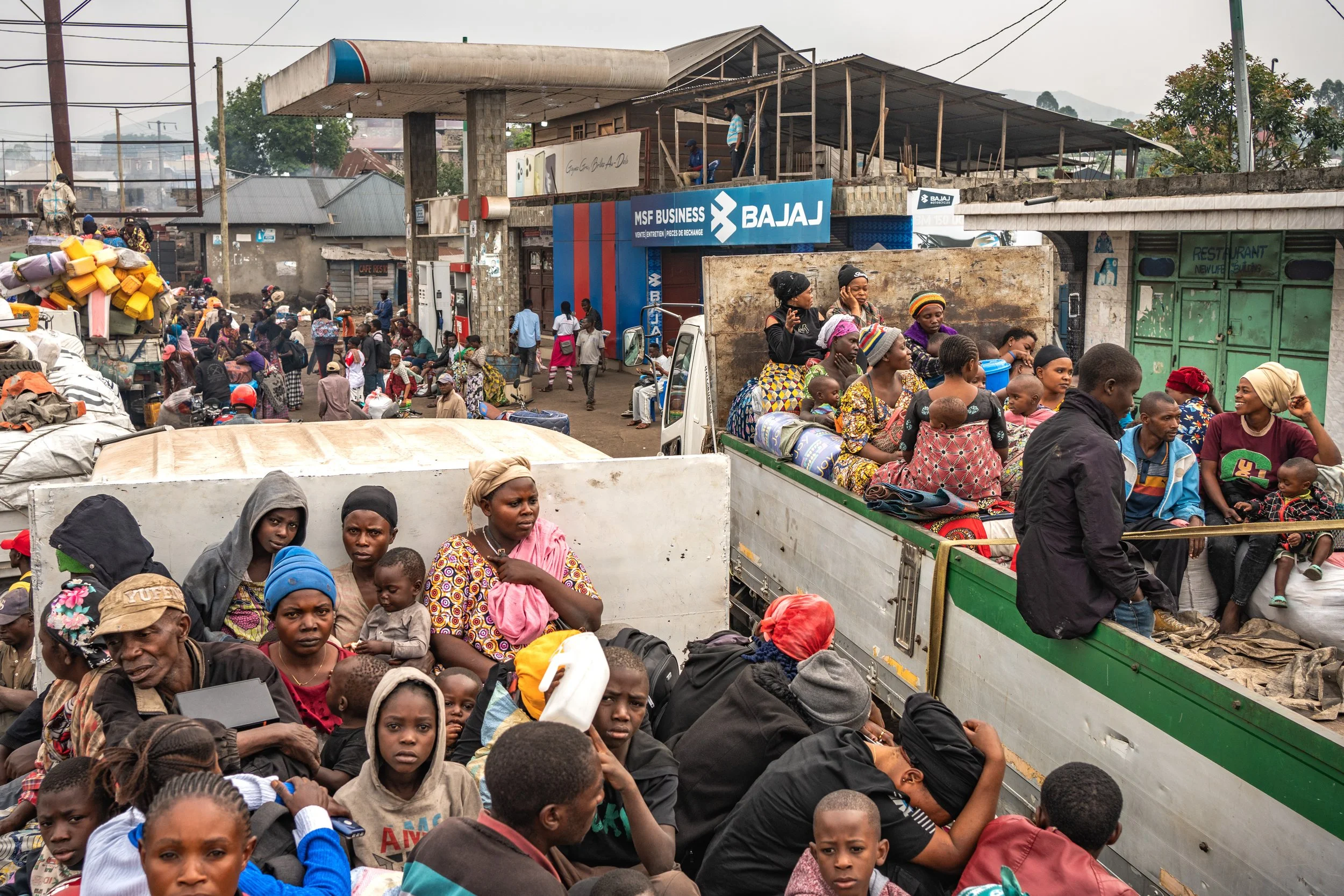
Displaced people attempt to return to their home provinces from Goma, following M23’s announcement to dismantle the camps. Many of them cannot afford transportation to go back and are forced to stay in Goma. February 8, 2025.
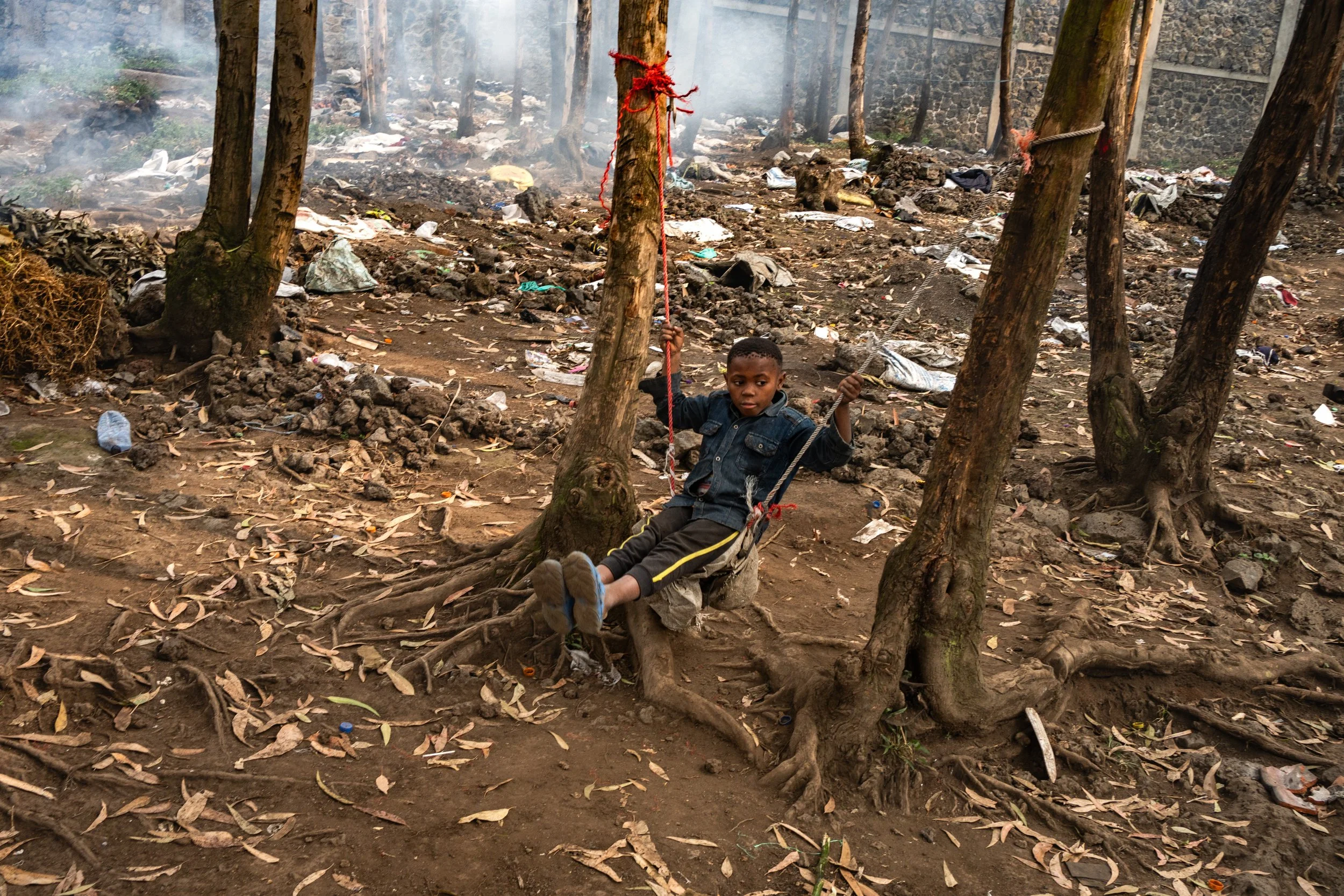
A child plays in the remains of the Kanyaruchinya displaced persons camp, which housed nearly 100,000 people and was dismantled in just a few days. Goma, February 8, 2025.
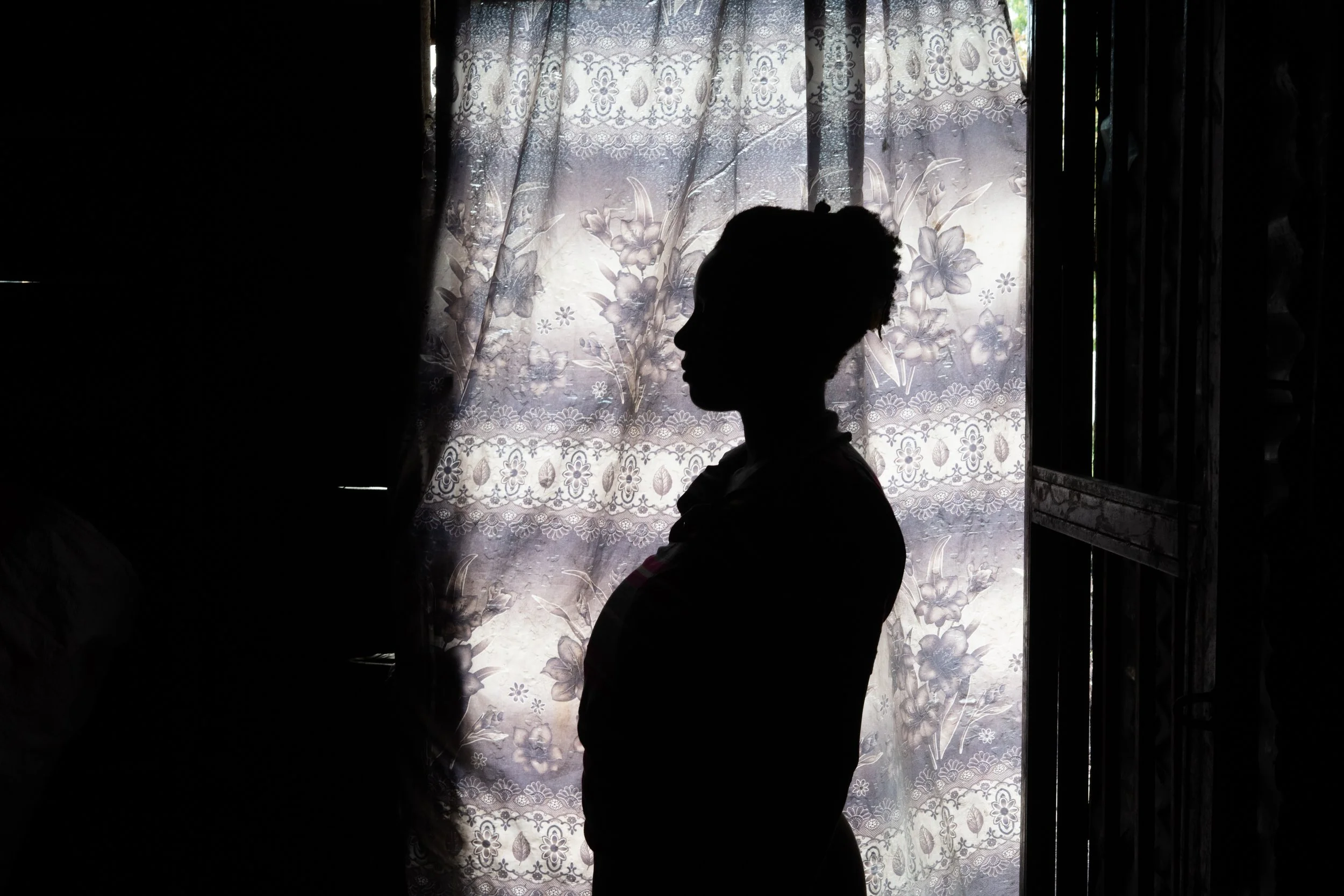
Flore, 29, in Goma (DRC), February 9, 2025. She was raped by several armed men during the fighting for the capture of Goma. "Around midnight, I left my house with my children due to the clashes, but three soldiers arrived. They raped me while pointing a gun at me."
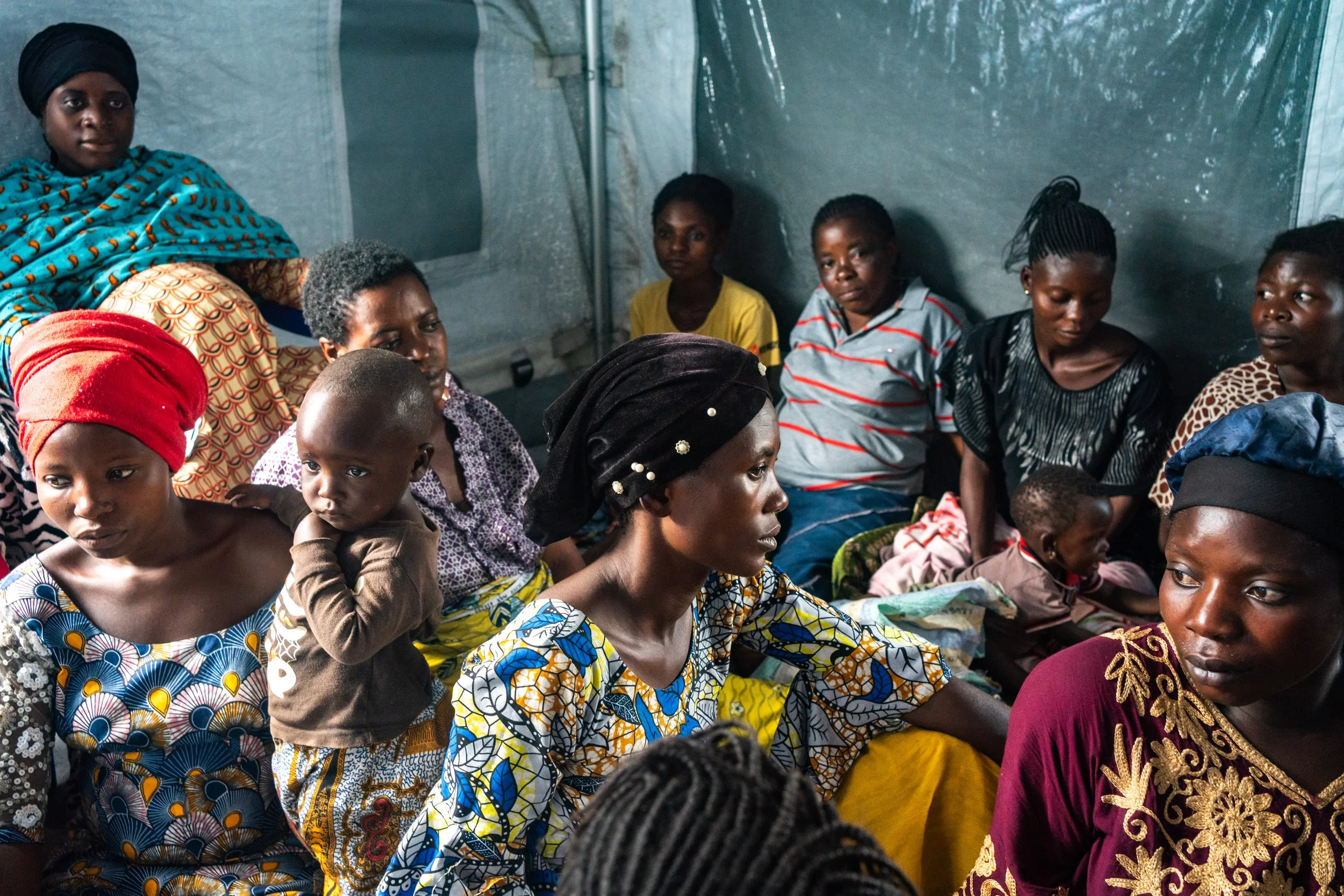
The mobile clinic in Buhuimba, Goma, provides sexual and reproductive health care to women living in displacement camps. During the week of the city’s capture, sexual violence surged: the clinic recorded 33 cases of rape. Goma, February 26, 2025.
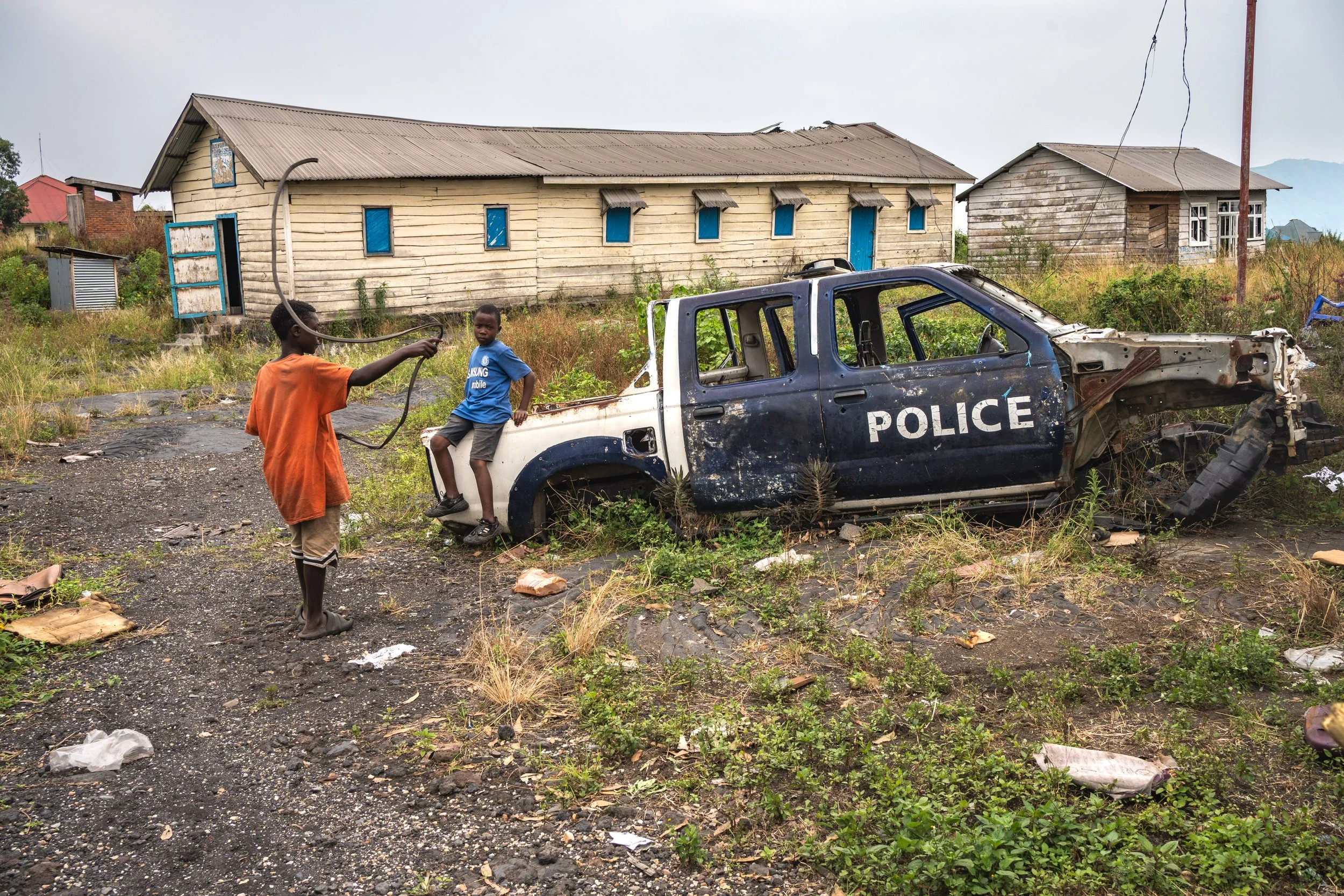
On the N2 road between Sake and Goma, children play in a police station that has been destroyed and looted.DRC, February 9, 2025.
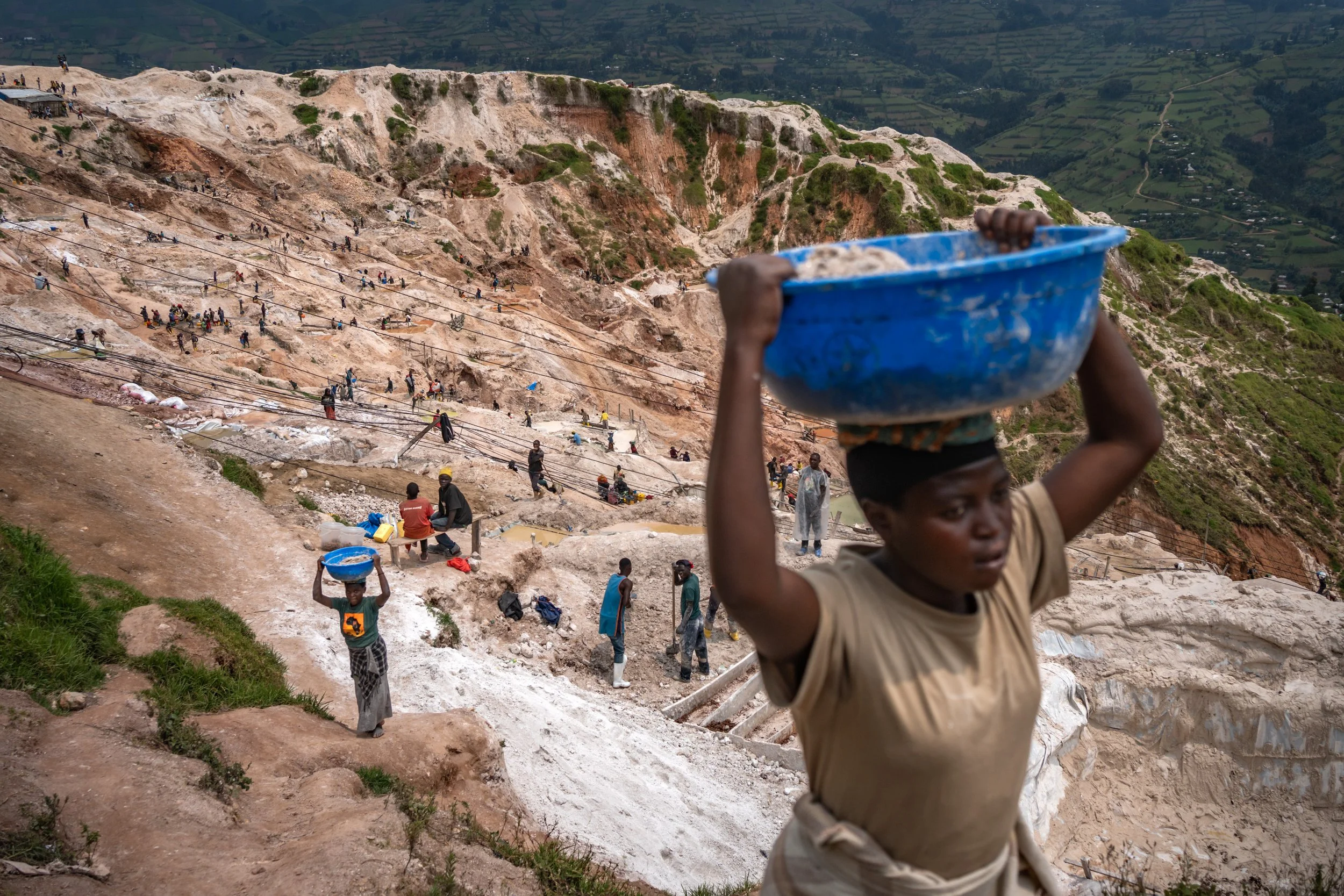
The Rubaya mine, which produces 20% of the world's coltan, a mineral used in the manufacture of electronic chips. The mine has been under M23 control since April 2024. According to the UN, M23 earns $600,000 in revenue from this mine. Rubaya, April 29, 2025.
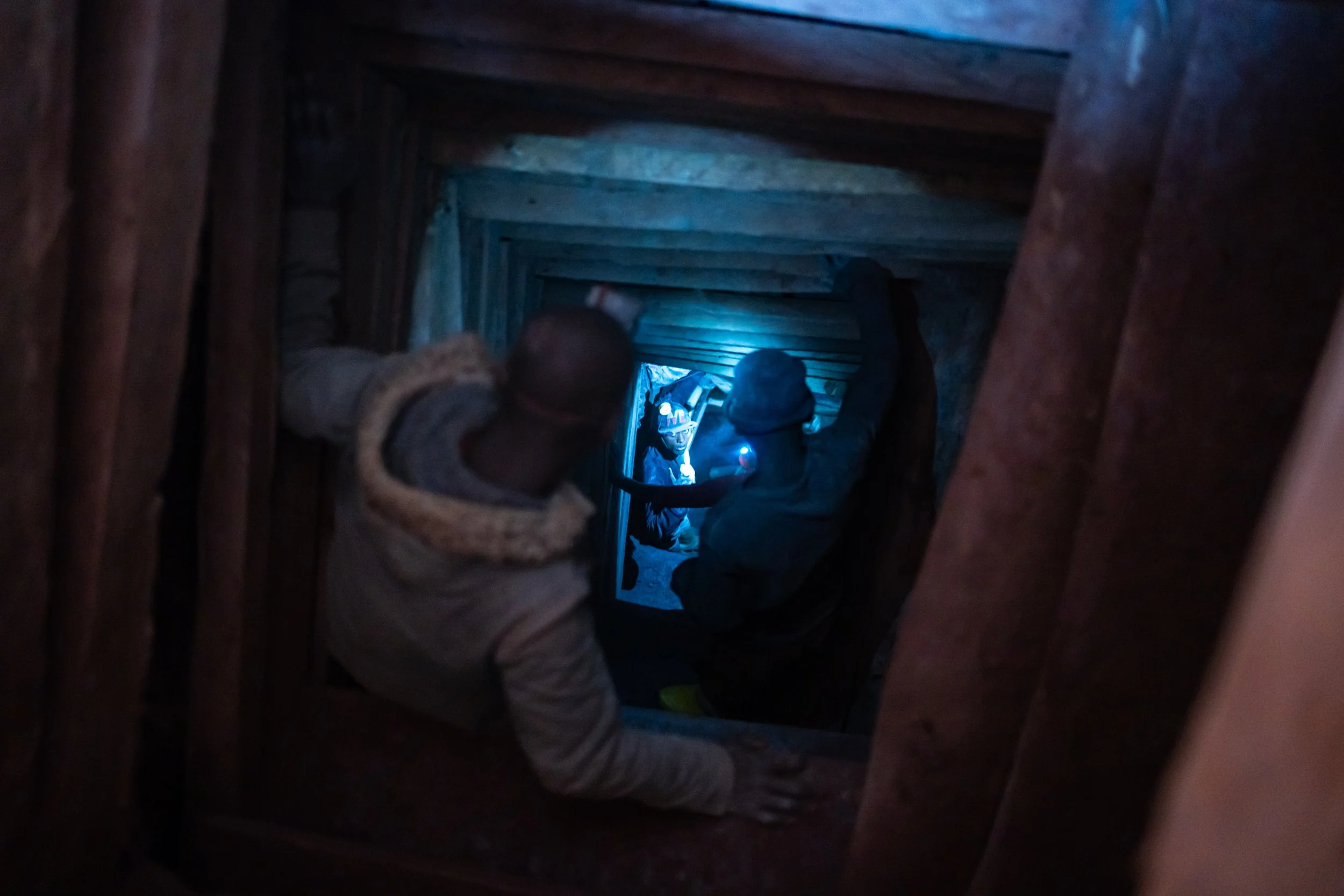
Miners in the Rubaya mine. They earn 10,000 Congolese francs per day (about 3 €) to descend nearly 60 meters underground and bring up bags of earth containing coltan. Rubaya, April 29, 2025.
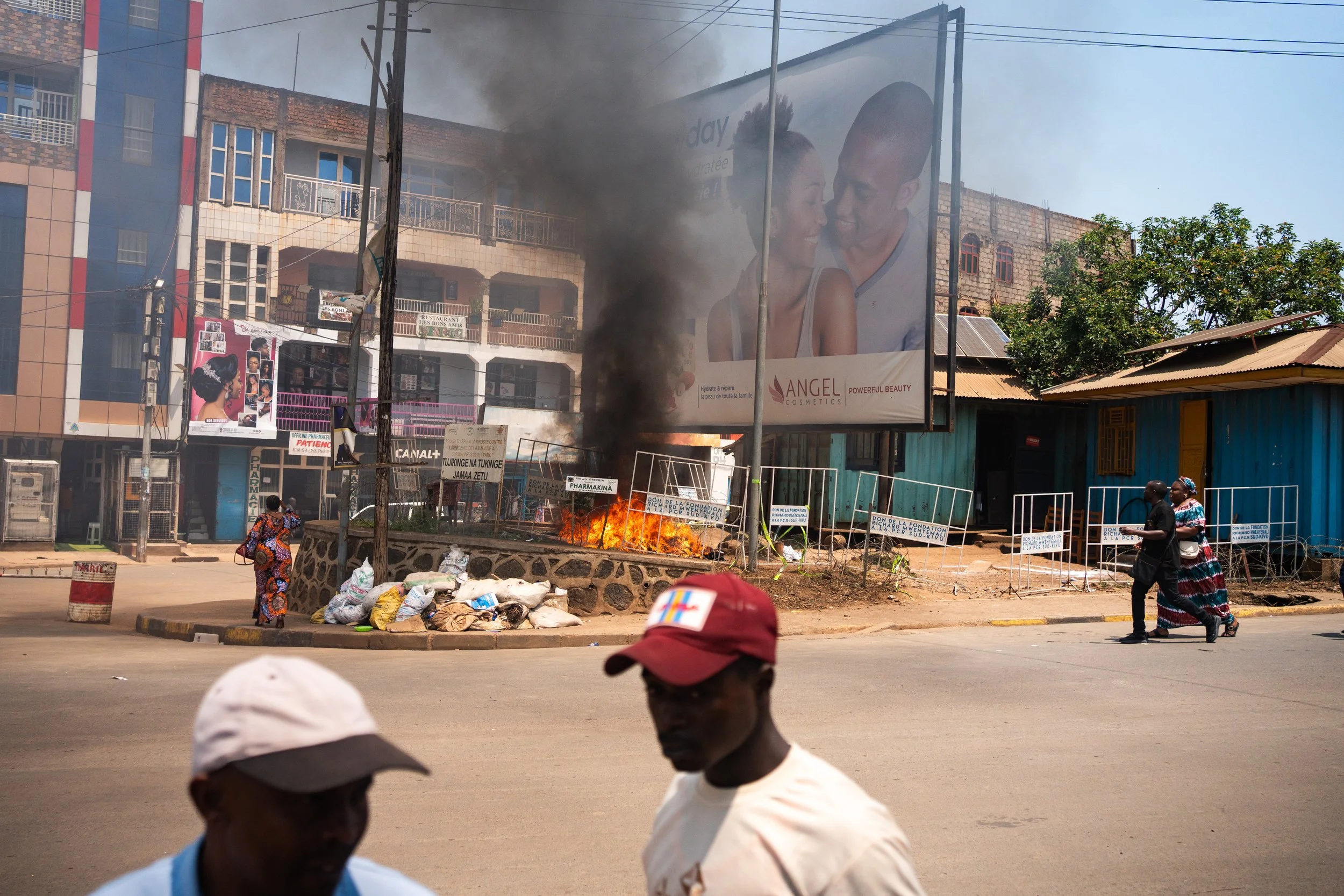
A police station has been emptied, the weapons taken, and the remaining equipment burned by M23 rebels, in Bukavu (DRC), February 20, 2025.
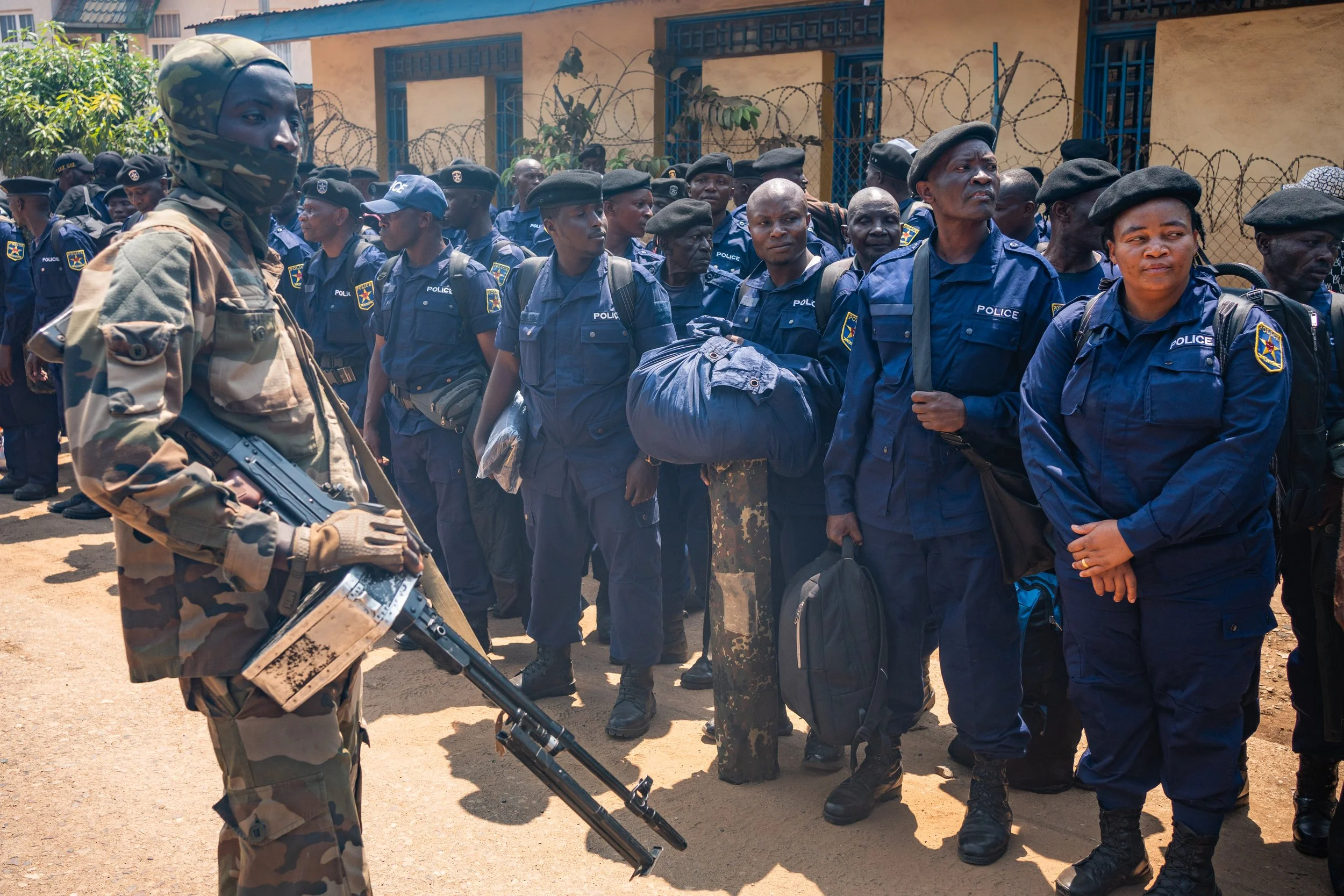
Congolese police officers from Bukavu, newly recruited by the M23, will be sent for ideological training at the Rumangabo military camp in North Kivu. "I’m Congolese and I want to become a soldier to help our country, because the soldiers before didn’t protect us," explains a newly recruited Congolese police officer. Bukavu, February 22, 2025.
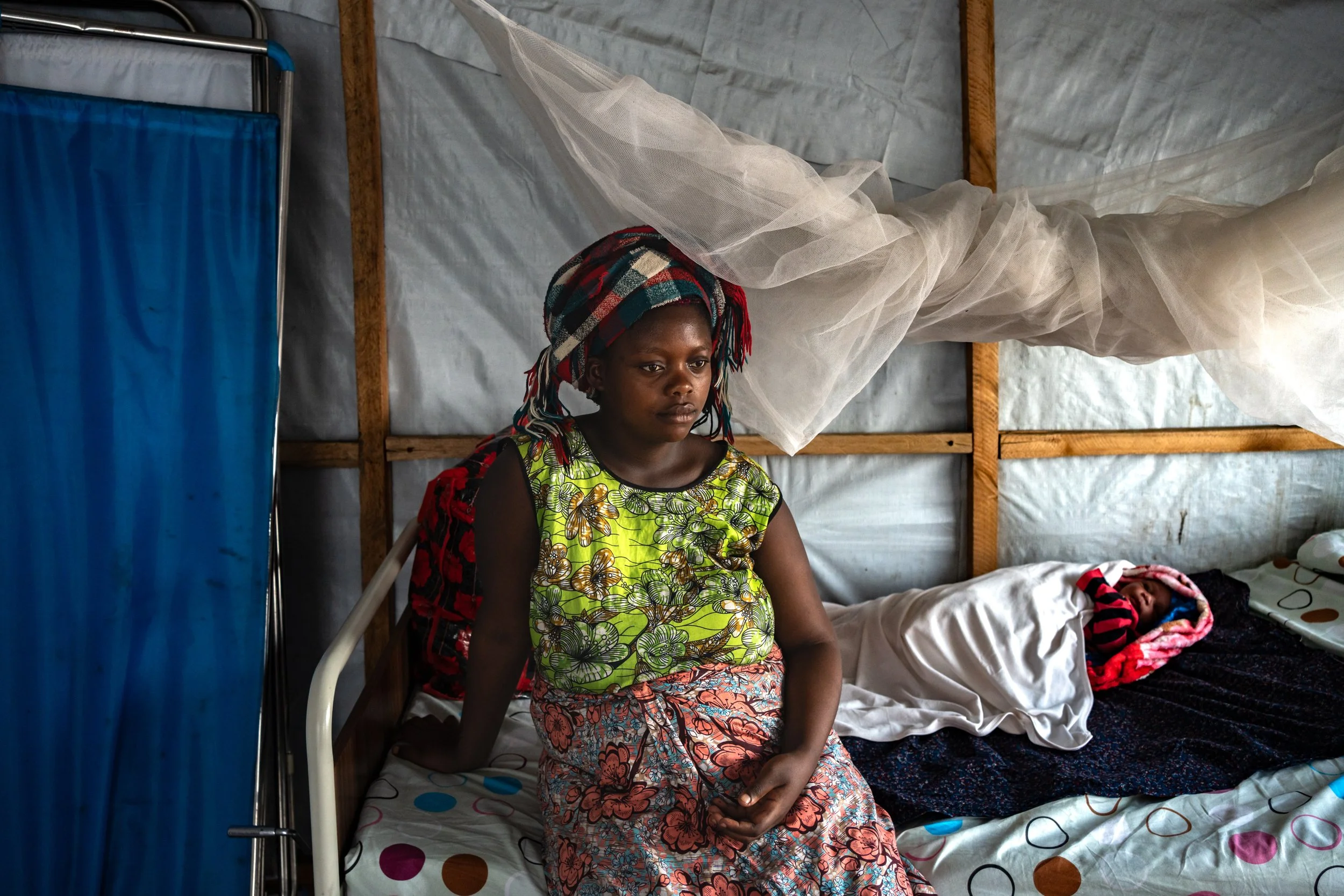
Sifa, 21, is from Sake, which she fled due to the clashes. She has just given birth to a baby boy. She doesn't know where the father is. She named him La Guerre because "it's all I’ve known so far." Goma, February 26, 2025.
Abandoned military positions along the N2 road, between Goma and Sake (DRC). The road has been the site of numerous clashes between M23, and the Armed Forces of the DRC. Goma, February 9, 2025.